12 Post-BFCM Strategies to Keep the Momentum Going
Read next

Shoppers are open to receiving more messages than usual during BFCM—and they act on them.
After BFCM 2025, 70% of shoppers remembered buying from a brand after seeing an email, text message, or push notification. (Source: Attentive consumer survey data, December 2025.)
A full promotional arc, planned in advance, keeps your brand in the mix from the Thanksgiving soft launch through the final hours of Cyber Monday.
Here are 16 campaigns to put on your Cyber Week calendar—organized roughly in the order you'd send them.
Early access is the single strongest reason shoppers join a brand's list before BFCM—52% say it would get them to sign up with a brand they don't already hear from.
This campaign makes good on that promise. And it converts: 72% of shoppers say early access to subscriber deals makes them more likely to buy.

Open your sale to your list 24 to 48 hours before the public launch, and remind subscribers that they get to shop before everyone else.
Launching your deals the evening before Black Friday captures shoppers who are already on the couch with their phones.
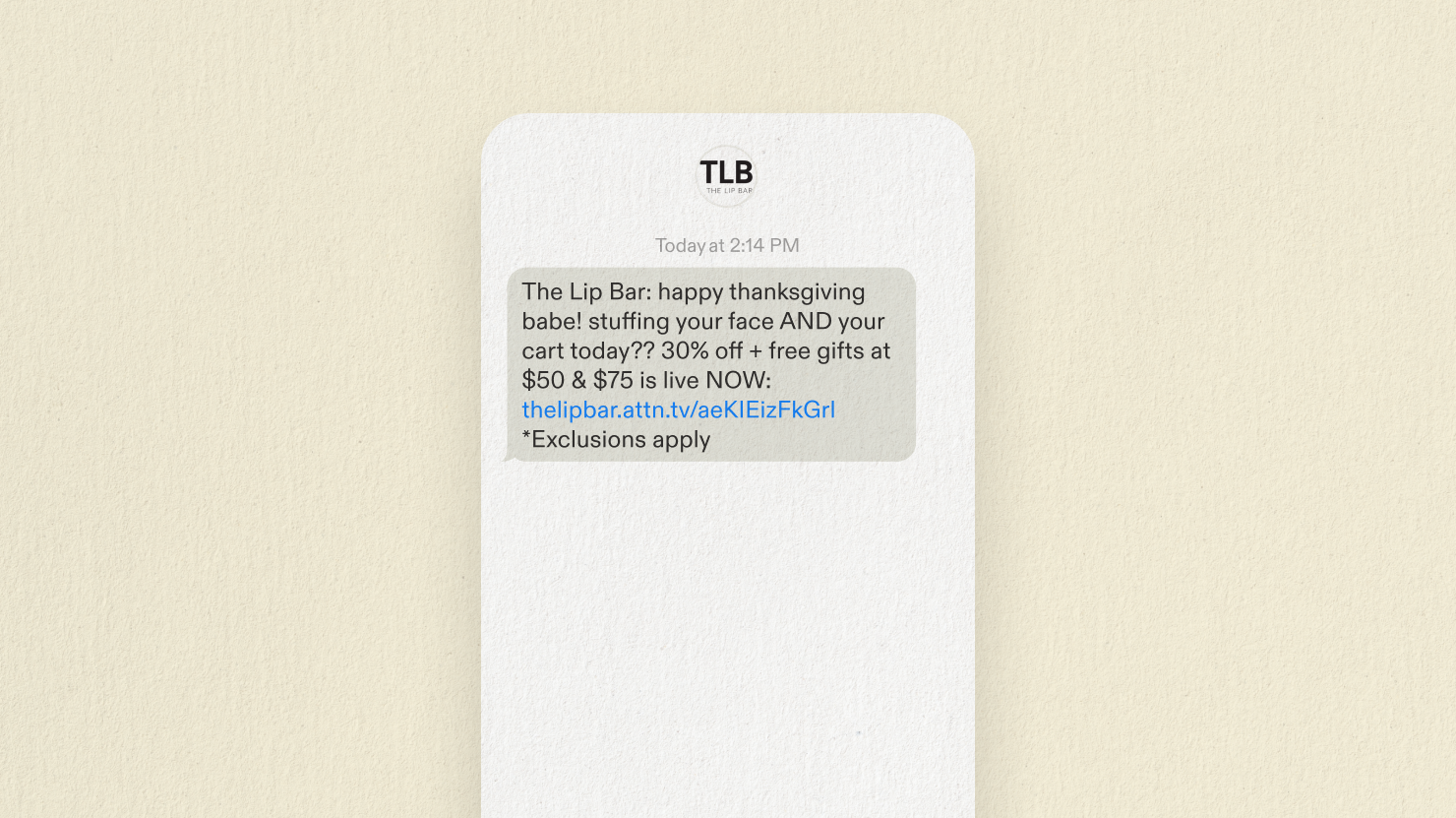
Two ways to play it:
The anchor send of the year. When it goes out, your subscribers should know your offer in one glance: the deal, the deadline, and where to shop.

Keep the offer simple and clear. “30% off sitewide” is easier to act on than a stack of conditions that shoppers have to calculate.
And segment your launch so each group sees the products they’re most likely to want. 68% of shoppers say relevant products make them more likely to buy during BFCM.
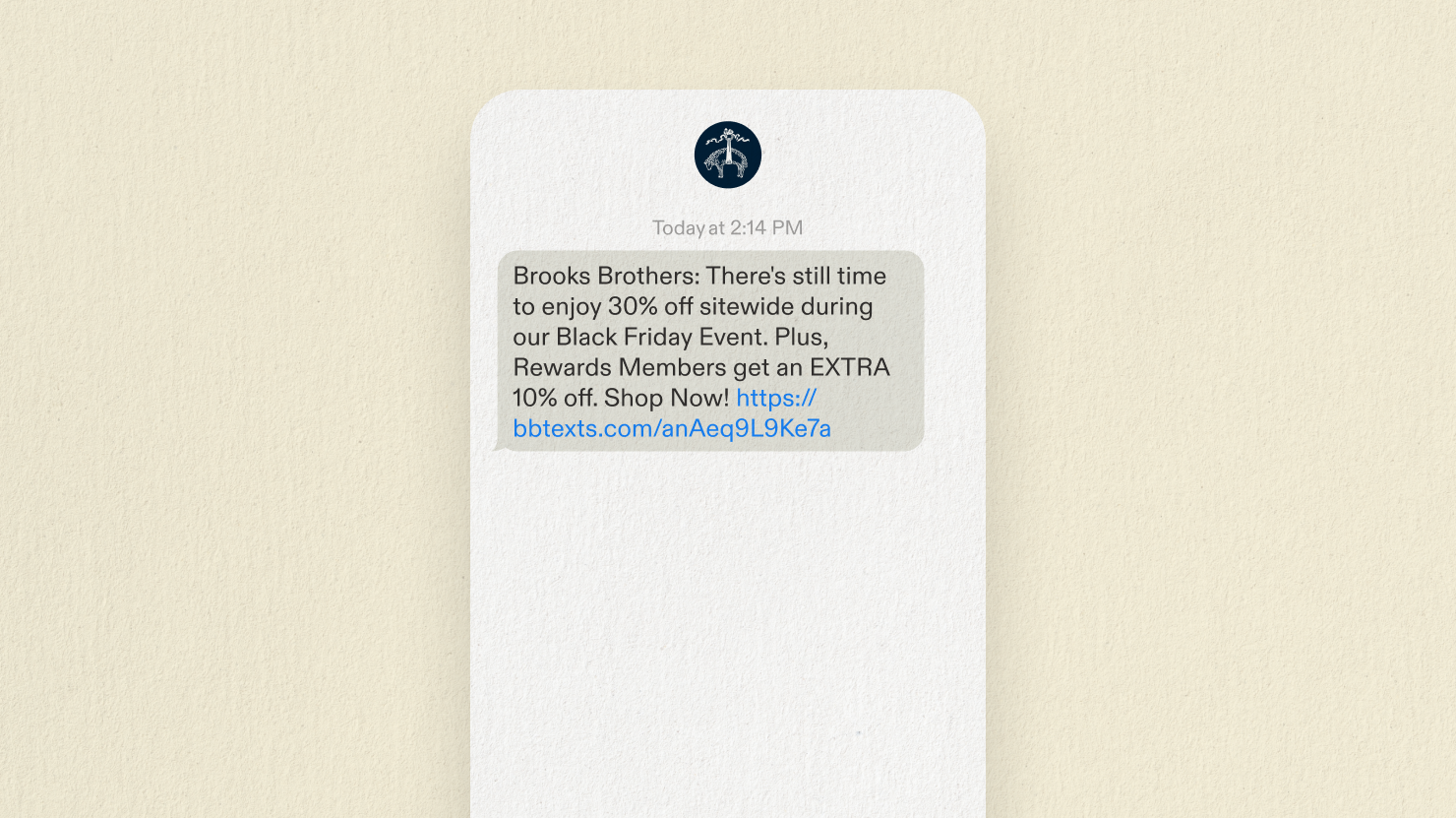
Send it on every channel and coordinate based on each channel’s strengths: SMS breaks the news fast, email carries the full story, push gets customers to shop in-app.
For small, local, or emerging brands, Small Business Saturday gives you a day to tell your story. Shoppers who buy from small brands often appreciate knowing what their purchase supports.
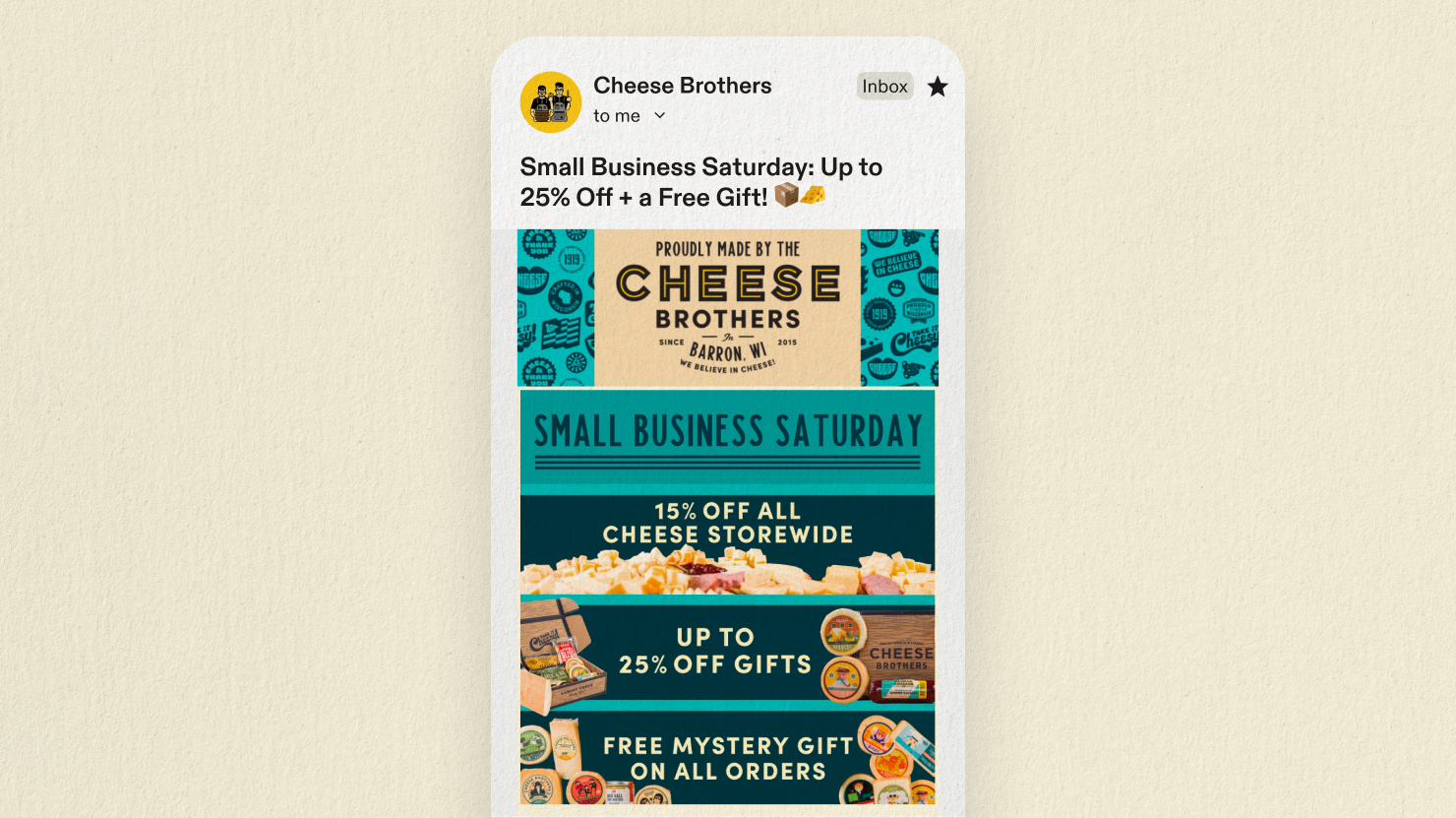
Two angles that work:
By Monday, your subscribers have seen your sale for a few days. The pivot's job is to make day four feel like news, not a rerun.
And the audience is still in play: 68% of shoppers made multiple separate purchases from at least one brand during BFCM 2025. A shopper who bought Friday may be one good reason away from buying again.
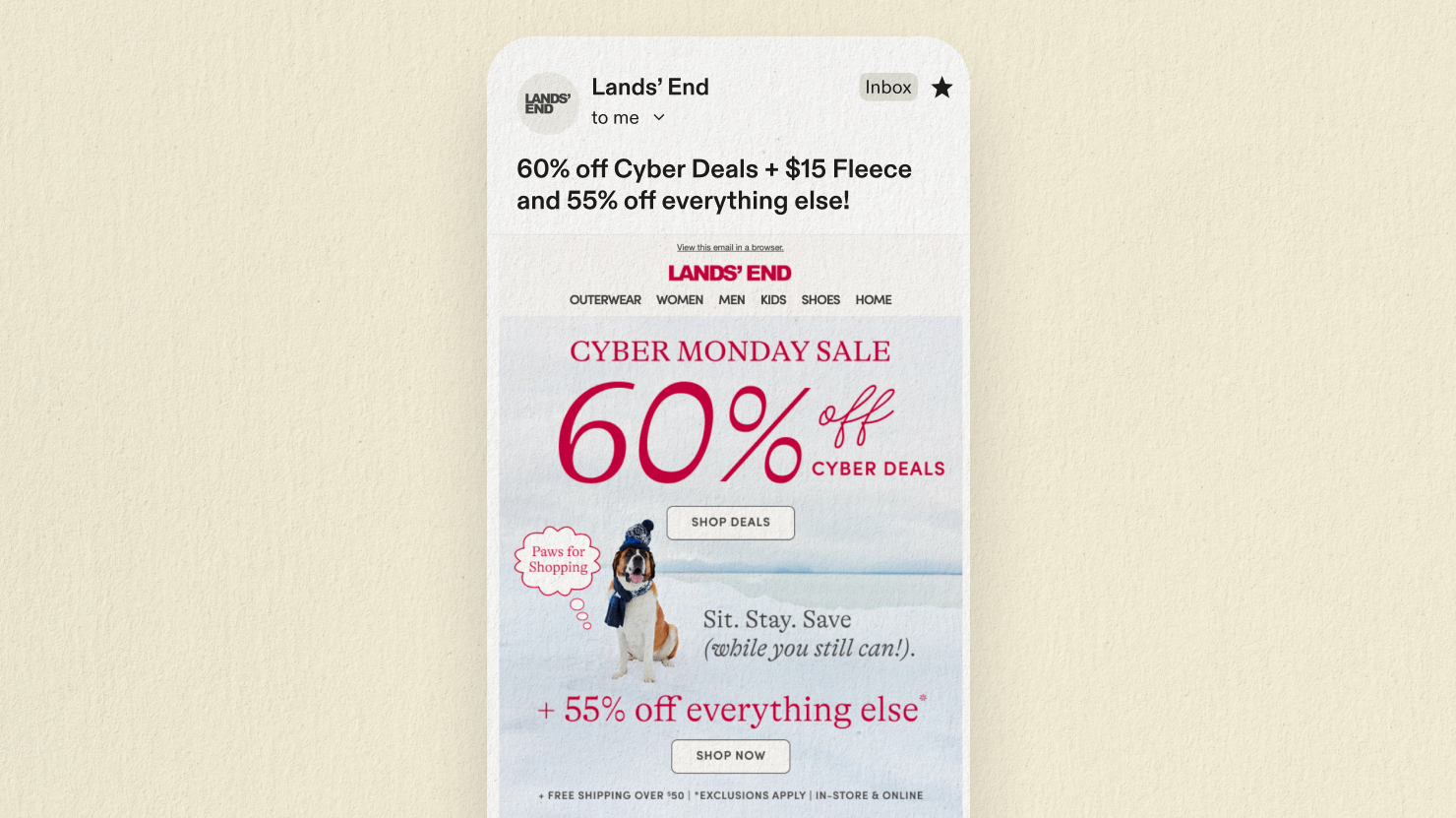
Ways to make Monday new:
If your price drop and back-in-stock flows are on, they'll catch individual shoppers all week. The campaigns below cover what flows can't: planned markdowns with their own creative, category-wide announcements, and sends timed to your calendar.
The nudge is the re-announcement that catches shoppers later in the day on Black Friday or Cyber Monday.
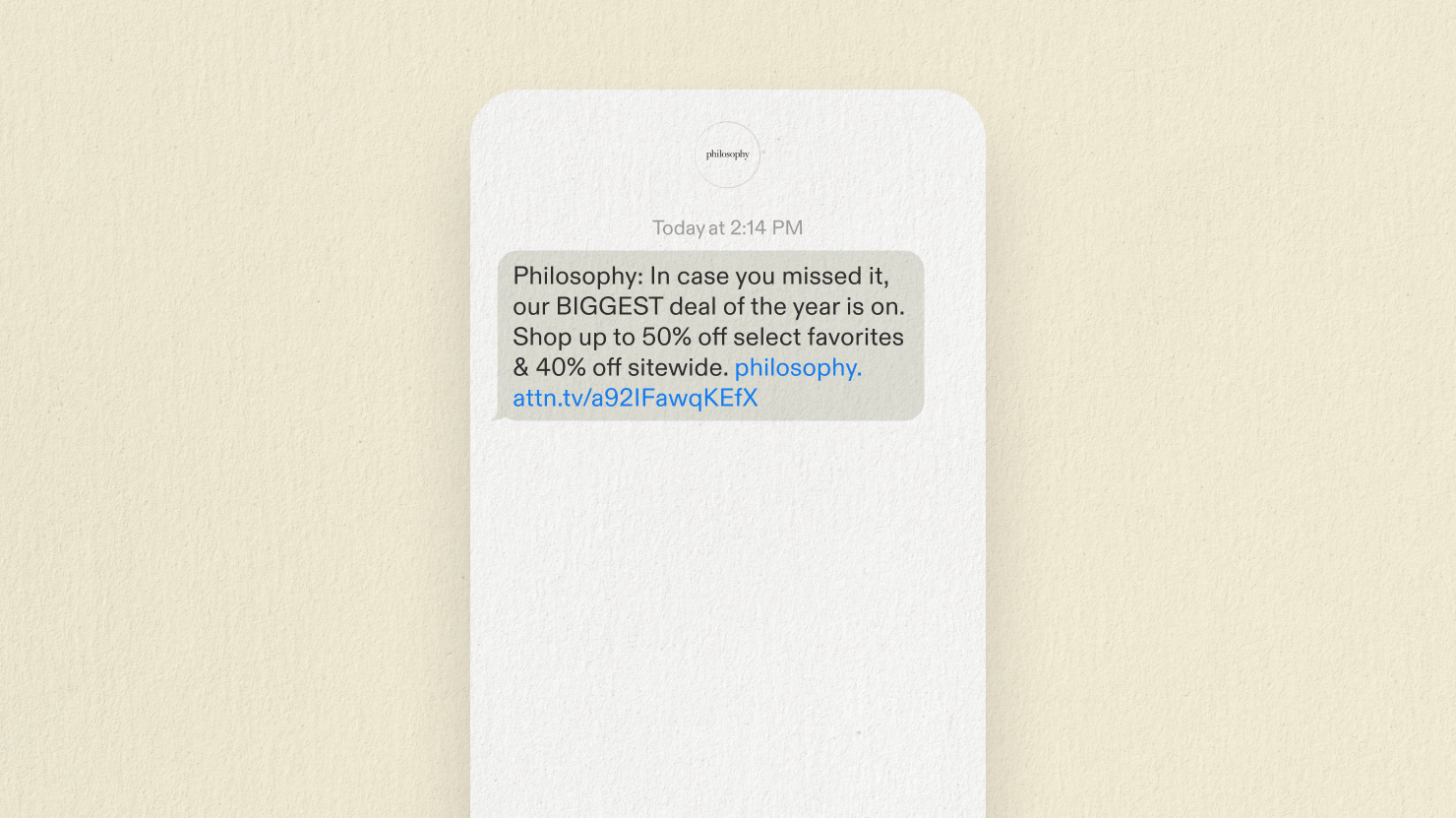
A simple reminder often works as shoppers navigate full inboxes. But you can also keep it fresh by adding a new angle or social proof.
Prioritize the quiet segment: Subscribers who haven't opened or clicked since launch need the reminder most—and your engaged shoppers don't need a same-day reminder.
Somewhere in your list is a segment that clicked your Black Friday launch, browsed the sale, and left.
And 88% of shoppers say receiving a discount on something they recently viewed or added to their cart would make them more likely to buy.
Build the send around what's changed since they clicked:
Last BFCM, 23% of shoppers who spent more than planned said fear of items selling out influenced the overspend (unpublished data from the December 2025 Attentive Consumer Pulse).
When a bestseller is genuinely running low, saying so is useful information.

Only send it when it’s true and give the inventory number when you can to make the scarcity tangible. Aim it at shoppers who’ve viewed, added to cart, or repeatedly bought the item.
Cyber Week shoppers are primed to act fast: 36% of shoppers who spent more than planned last BFCM said impulse purchases contributed to the extra spend.
The short window of a flash sale gives that impulse somewhere to go—and gives subscribers who've already seen your sale a reason to come back.
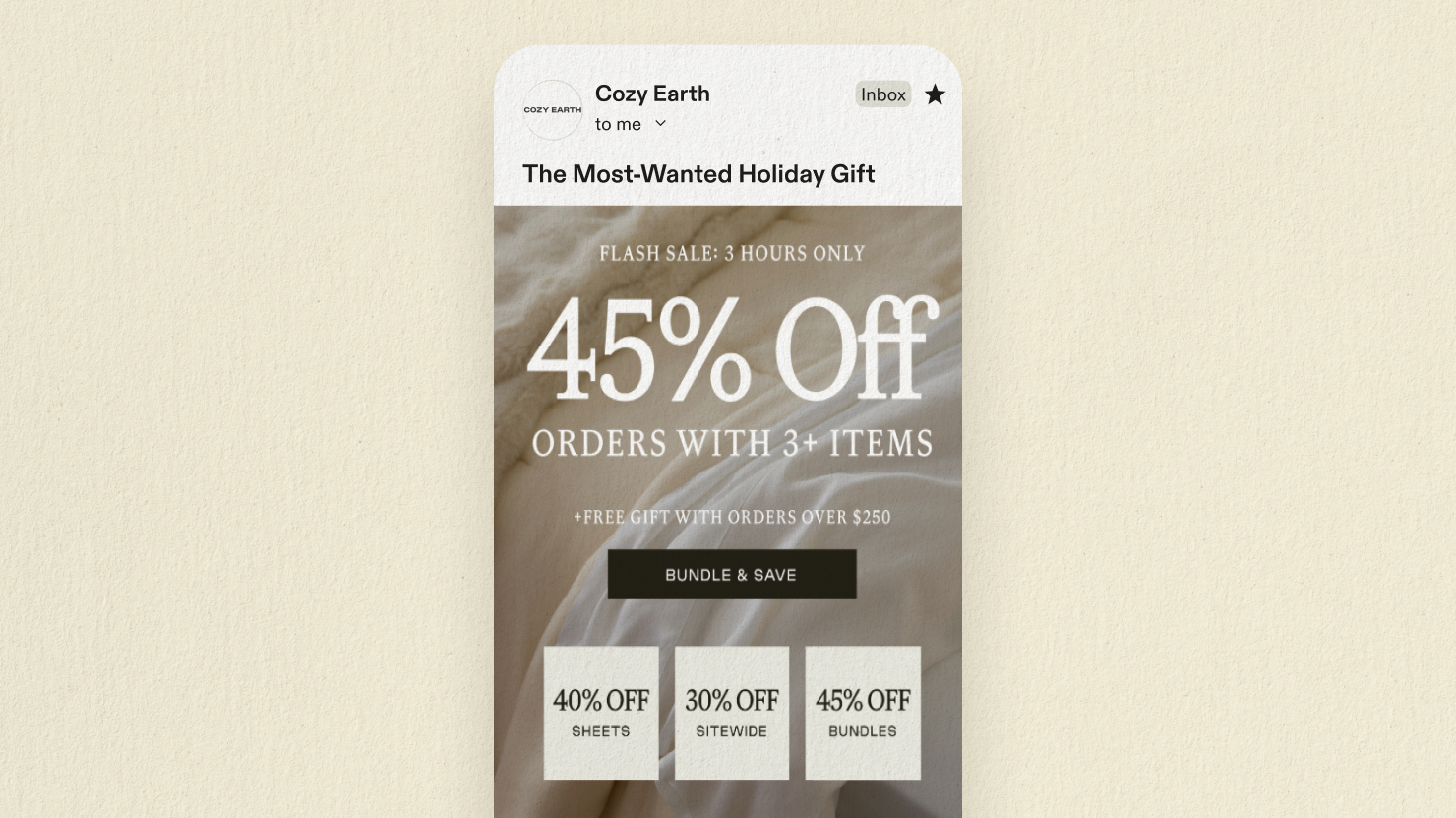
Make your flash sale genuinely time-sensitive (hours, not days), and lead with SMS or push as shoppers tend to see phone notifications quickly.
{{protip-1}}
Shoppers start building toward your sale weeks before it launches, adding products to wishlists and carts that they might want to buy when they go on sale.
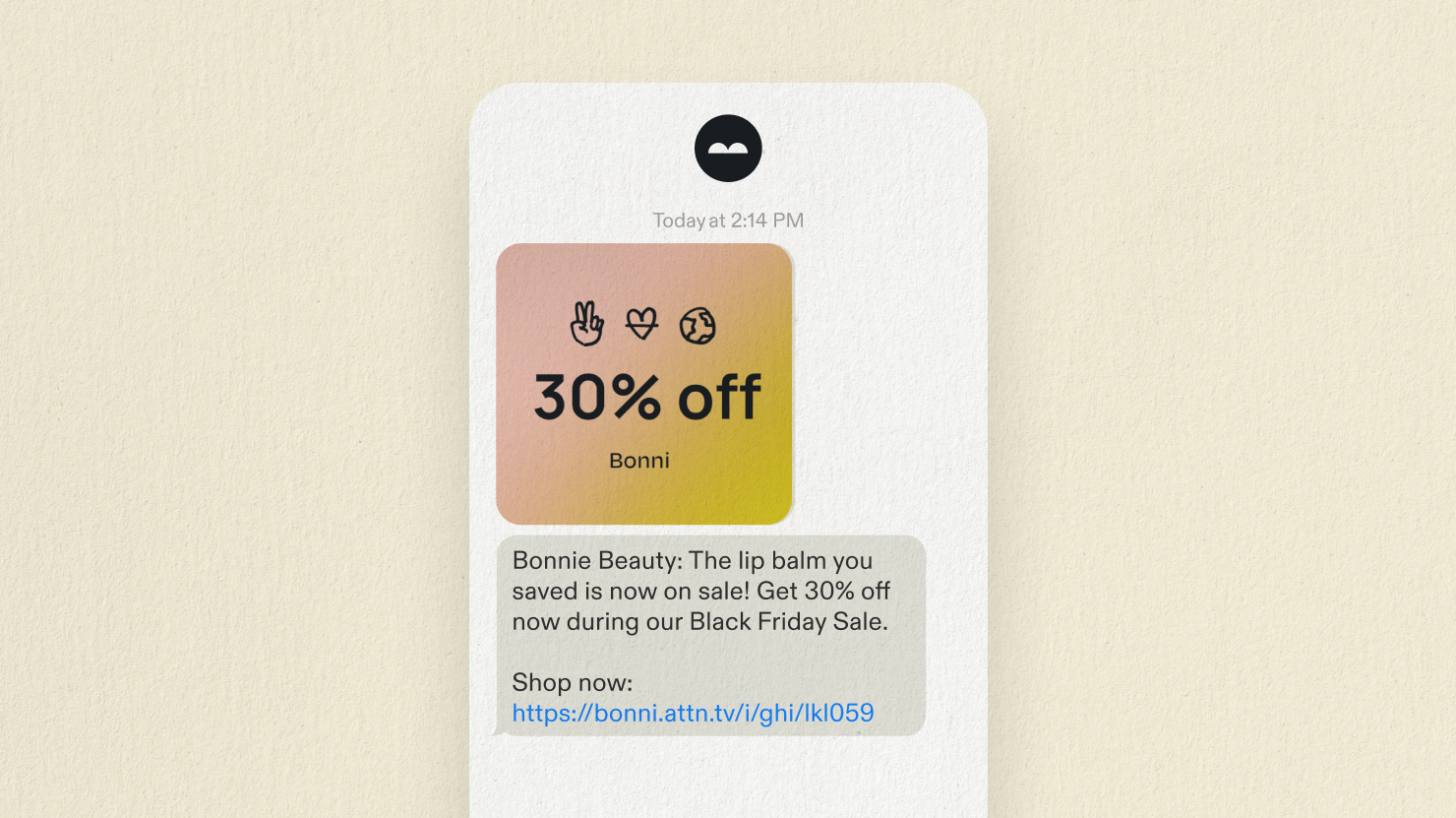
Build campaigns around the items shoppers saved before BFCM: pull your subscribers with pre-BFCM wishlist or cart activity, and tell them the exact products they parked are now on sale.
Your cart and browse abandonment flows will catch shoppers who save items during the sale. This campaign reaches further back—to the shoppers who built their lists before your promo launched.
"Track pre-holiday wishlists and abandoned carts. Consumers use these as 'holding pens,' allowing you to target them with SKU-specific, high-conversion alerts."
– Emily Clarkson, Head of Email & SMS at Tinuiti
Last year, 74% of shoppers said they wanted brands’ help finding the right products, and 32% named gift guides specifically.
The gift guide campaign is how you shop the sale for them.

Curate by recipient—gifts for mom, the runner, the home cook, the hard-to-shop-for—or by price, so shoppers can find gifts within their budget.
Before BFCM last year, 32% of shoppers said they wanted brands to share lists of trending or bestselling items to help them find the right products. The bestseller send answers that request.
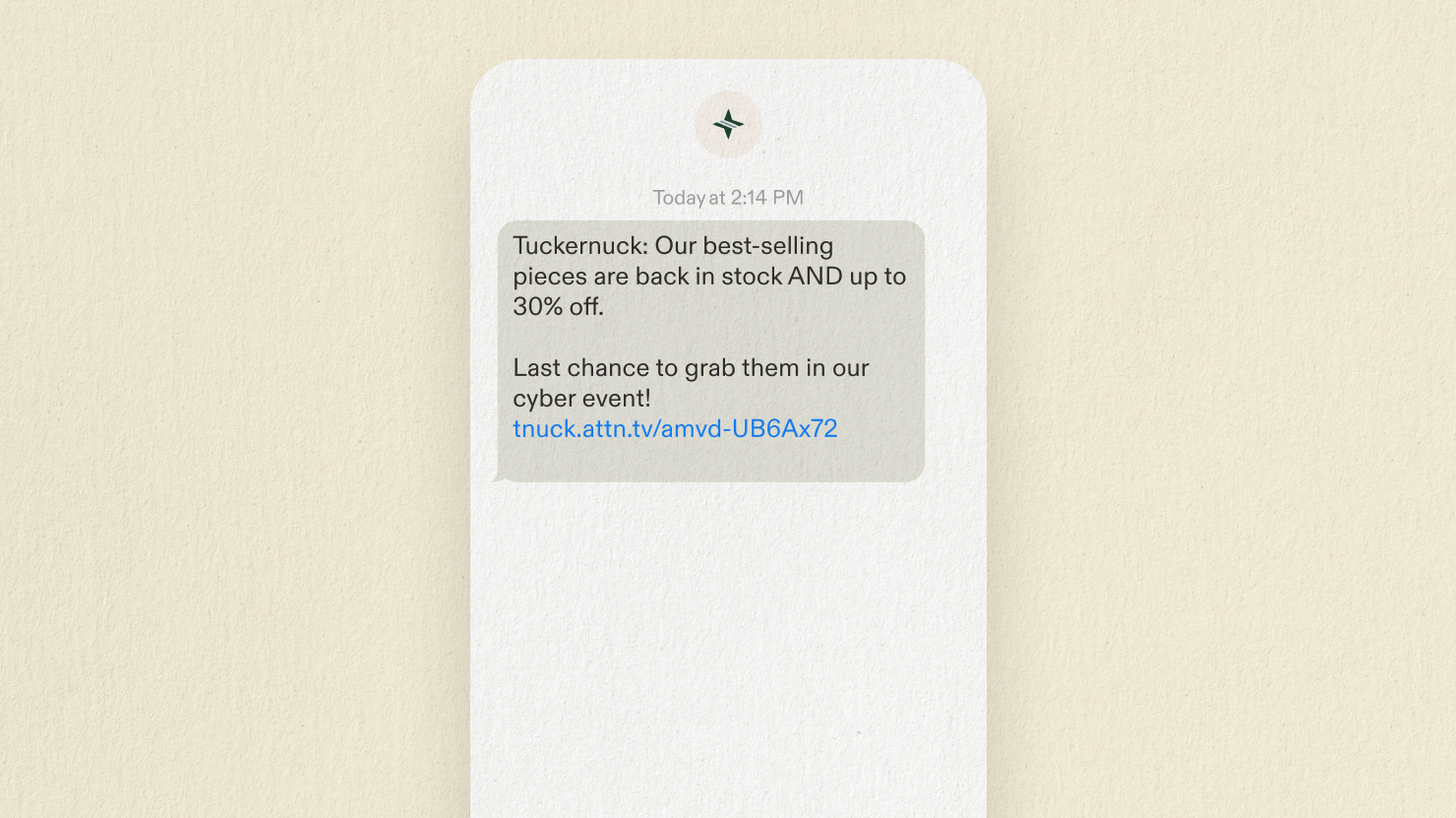
And it’s a great mid-day campaign to send to re-engage subscribers who didn’t act on your sale announcement.
Two versions:
Either way, show the evidence. A ranking, a star rating, or "2,400 sold since Friday" turns the claim into proof.
For brands selling consumables and replenishables—skincare, supplements, coffee, pet food—BFCM is when practical shoppers buy extra of what they already use.
39% of shoppers say they'll stock up on things they use regularly while they're discounted this BFCM.

How to speak to them:
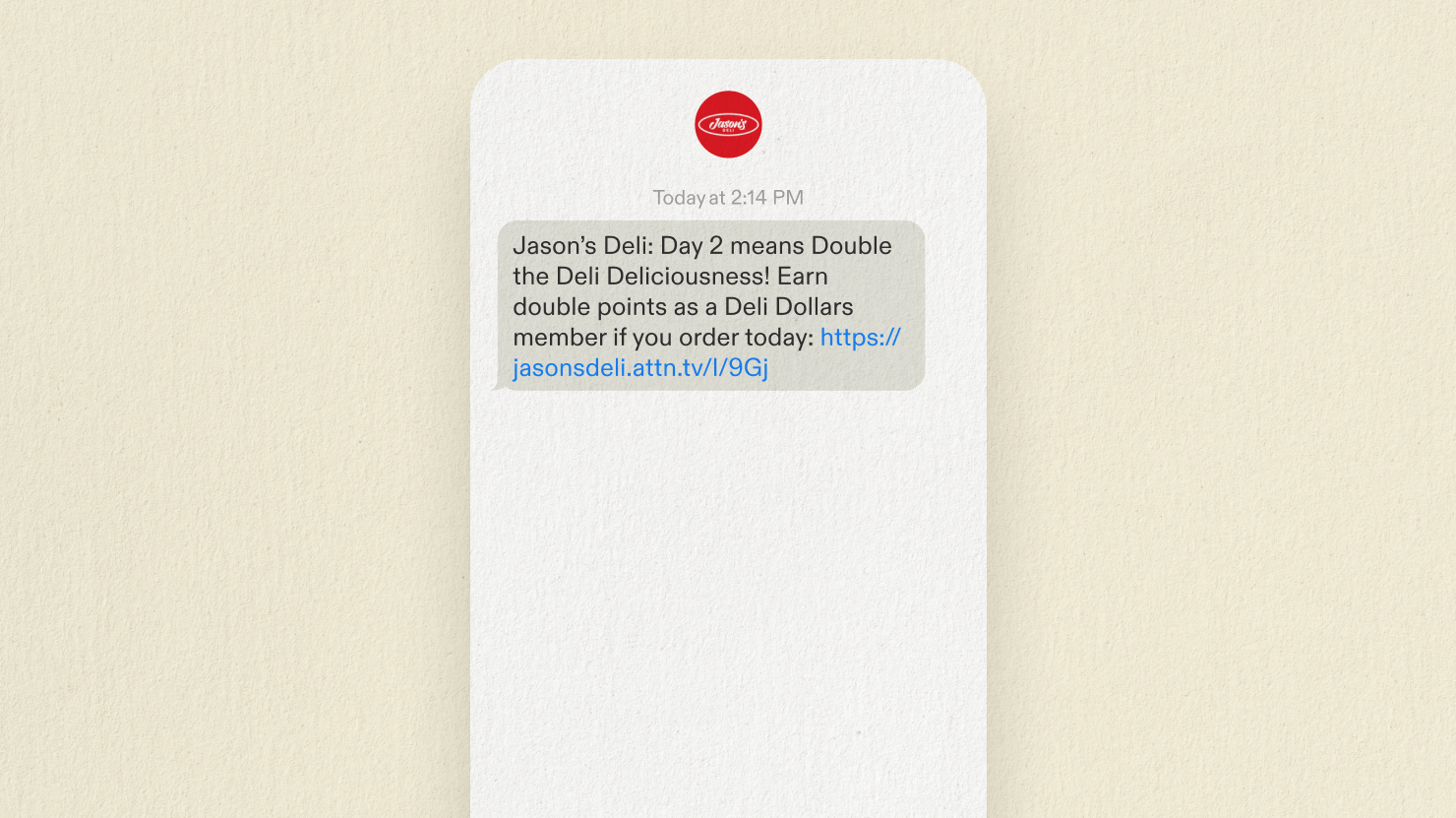
BFCM is a great opportunity to reward your best customers:
Give your VIPs a better deal, extra points, or an exclusive—a bundle, gift, or limited-time rewards.
If your brand has a mobile app, that audience is worth the special treatment.
Subscribers on email, SMS, and push are your highest-intent tier, with 26% planning to spend more this BFCM versus 14% of email-only subscribers.
Offer an app exclusive to give invested customers a reason to open it during Cyber Week, and everyone else a reason to install it.
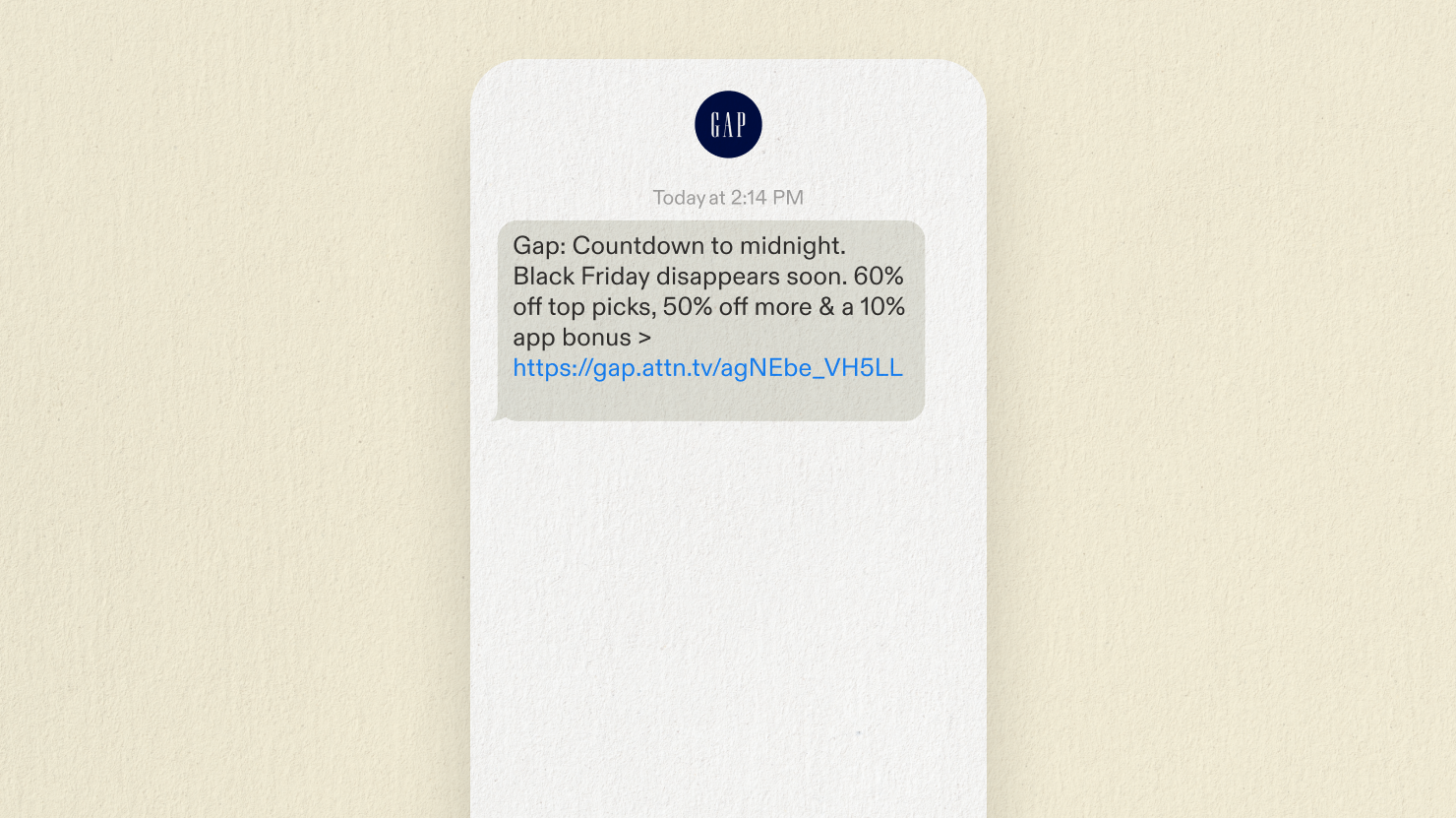
For a meaningful slice of your audience, this is the moment they've waited for all year: 26% of shoppers say they're saving purchases for BFCM instead of buying at other times.

Make the deadline concrete and let SMS carry the final hours.
And mean it: If your "last chance" is followed by a Tuesday extension, your subscribers learn the deadline is soft. An honored deadline this year is what makes next year's urgency work.
End-of-year shopping is far from over come Tuesday morning.
After BFCM 2025, 83% of shoppers still had end-of-year purchases left to make.
The campaigns above hand off to your post-Cyber Week plan: re-engaging the shoppers who didn't buy and turning the ones who did into repeat customers.
Learn how:
{{next-article}}
Carrier congestion peaks between 10am and 3pm ET on Black Friday and Cyber Monday. Peak volume can result in slower text message delivery. Run your flash sale at off-peak hours to improve the odds that subscribers see your time-sensitive message on time.