7 Ways to Grow a Higher-Value List Before BFCM
Read next
.png)
Every BFCM plan rests on one assumption: the message arrives. Deliverability makes that possible so your offers, segments, and creative have a better chance to perform.
And there's new guidance to account for: mailbox providers have formalized sender standards for reaching the inbox, and iOS 26 changed how iPhones treat texts from unsaved numbers. Both reward early preparation.
Here's what to address across email, SMS, and push.
Email deliverability is your program's ability to reach the inbox instead of the spam folder. Providers evaluate signals including: spam complaints, bounces, engagement, and whether your technical setup proves you are who you claim to be. (New to the fundamentals? Start with our email deliverability guide, then come back for the BFCM specifics.)
Google and Yahoo require bulk senders to authenticate with SPF, DKIM, and DMARC, offer one-click unsubscribe, and maintain spam complaint rates under 0.10% (never exceeding 0.30%). Microsoft now holds high-volume senders to similar standards.
Volume is the other half of reputation. A sudden spike can look suspicious to inbox providers. And it doesn’t support strong ROI either. In 2024 brands that spiked their Q4 sends without a gradual ramp saw 22% lower ROI than all other brands.
How to prepare for BFCM email volume:
{{protip-1}}
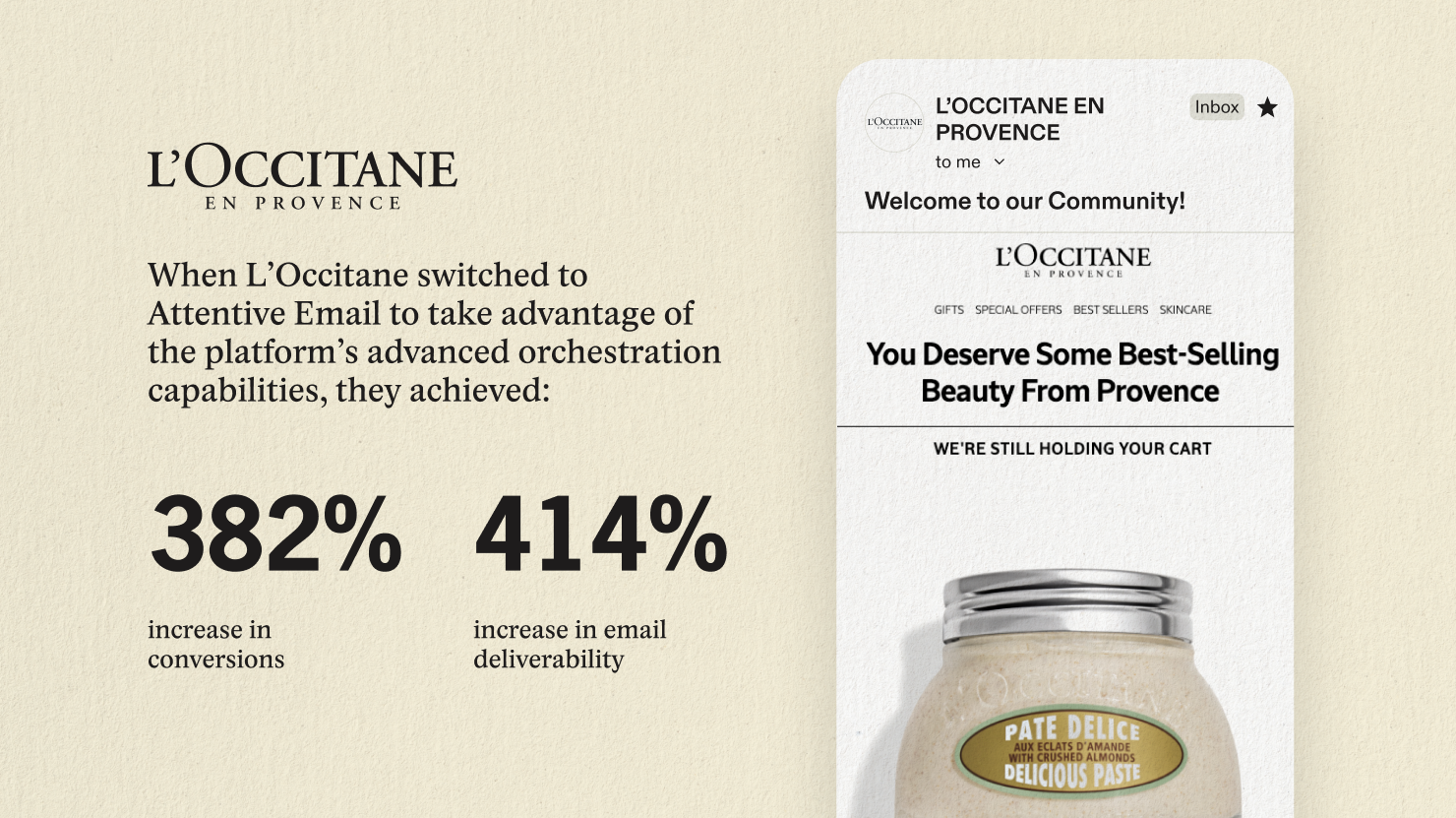
Platform-wide, Attentive maintains 99.8%+ email delivery rates, and 92% of brands that migrated email to Attentive saw improved deliverability. If you're considering migrating, do it early so your program is warmed up before Cyber Week.
Go deeper: How to Improve Email Deliverability: Best Practices for Better Inbox Placement
SMS has its own gatekeepers: Programs most comply with applicable law, including the TCPA, and follow CTIA guidelines. On this channel, compliance and carrier trust are what deliverability is made of.
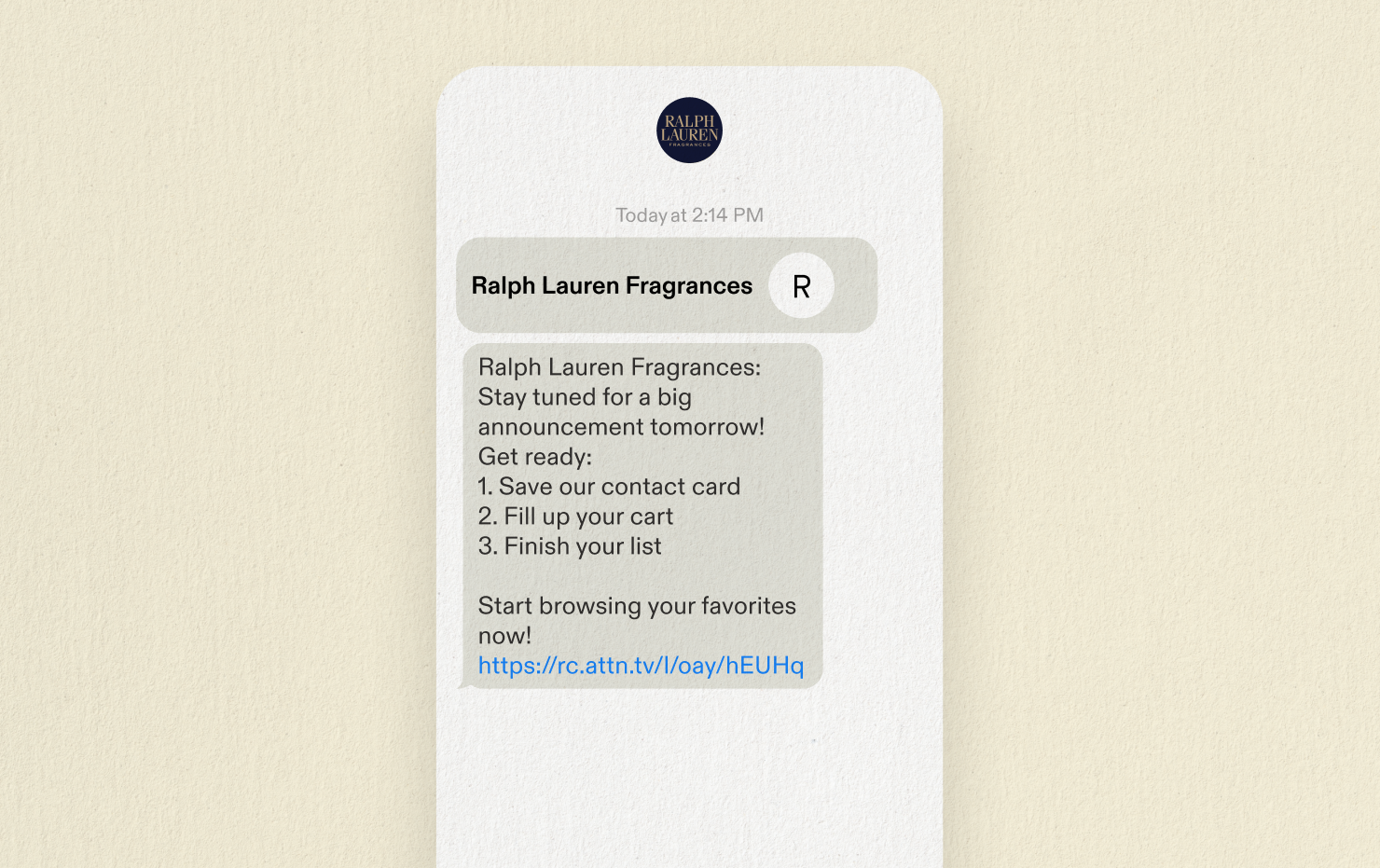
Apple’s iOS 26 adds a layer of complexity for inbox visibility. Apple’s expanded unknown-sender screening routes texts from unrecognized numbers into a separate inbox with no notification. In Attentive data, affected messages saw 30–40% declines in click-through and conversion rates.
How to stay visible on SMS:
Your SMS platform's carrier relationships carry the rest: reliable capacity and priority sending are negotiated long before Cyber Week. Attentive holds a seat on the CTIA board and works directly with carriers—an approach that has produced deliverability satisfaction rates 71% higher than what customers experienced on other platforms.
That reliability is what Attentive SMS is built on. Jewelry brand Kendra Scott counted on it through Cyber Week.
“Attentive was essential in enabling us to connect with our subscribers when it mattered most, providing a reliable platform for timely and targeted engagement that enhanced the Cyber Week shopping experience.”
– Lauren Zarzour, Sr. Director of Paid & Owned Marketing, Kendra Scott
Push does not rely on carriers or inbox filtering. Reach depends on whether users grant notification permission—and whether your messages give them a reason to keep it enabled.
That permission deserves care, because on iOS you only get one official chance to ask. Once a user responds to the system's notification prompt, the app can't show it again—someone who taps “Don't Allow” must change the permission manually in their settings.
How to treat the opt-in like the asset it is:
Attentive maintains 99.8% deliverability rates and zero downtime. Learn more about our enterprise-grade deliverability and get a demo to learn how Attentive's deliverability team preps brands for their biggest sending weeks.
Next up: Most of these steps benefit from an early start. Authentication is quick, but volume ramp takes weeks. Known-sender status builds subscriber by subscriber, every time a shopper opts in to your list.
The subscriber list you build between now and November can support your volume ramp and expand the audience you can reach during Cyber Week.
Make list growth your next move:
{{next-article}}
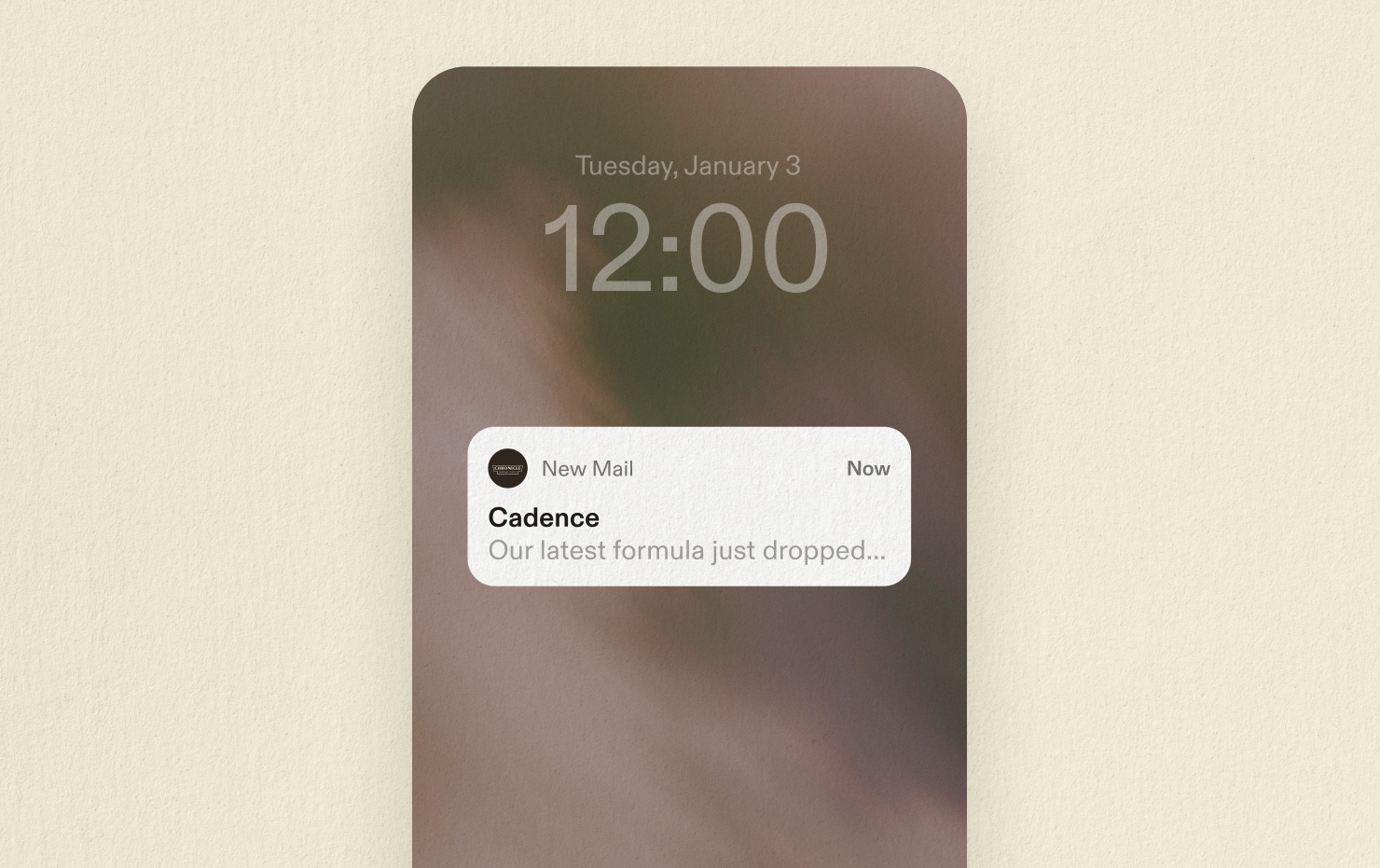
Set up BIMI (Brand Indicators for Message Identification) so your logo appears in the inbox preview. It requires the highest tier of authentication, which strengthens your deliverability at the same time. Attentive helps brands set up both BIMI and Apple Branded Mail.