16 BFCM Campaigns That Convert
Read next

Shoppers will see more marketing messages during Cyber Week than at any other point in the year. Stand out by sending messages built for the person receiving them.
Marketers and shoppers agree:
You'll still want at least one full-list send on Black Friday and Cyber Monday. But the segmented campaigns you layer on top are what makes your biggest sends of the year feel personal, timely, and relevant.
Here are the seven audiences to define before Cyber Week—and how to refine them with Audiences AI.
Who they are: Your most valuable customers.
Why they matter: VIPs are primed to shop your sale. They already trust your brand, so they tend to convert at higher rates, spend more per order, and are less likely to get distracted by competitors' offers.
How to define them: What makes a customer a "VIP" is up to you. It could be loyalty program members, top spenders, frequent purchasers, or a combination of criteria.
How to engage them for BFCM: VIPs respond to recognition, so build your BFCM plan for this segment around exclusivity. When we asked shoppers which type of offer makes them most likely to keep shopping with a brand, the #1 answer—at 41%—was exclusive discounts for VIPs only.
Leading up to BFCM, give VIPs sneak peeks or early access to your deals. During the sale, reward them with perks other shoppers don't get—the ones they say they value most:

Who they are: Subscribers who have recently interacted with your brand through campaign clicks, purchases, or website visits.
Why they matter: Engaged subscribers are actively opening and clicking your campaigns, so they're more likely to engage and convert. Since they've been paying attention to your brand, they may already be waiting for your BFCM deals.
How to define them: Your engagement threshold depends on your typical sending frequency and what works for your brand. A good starting rule of thumb: subscribers who have clicked at least one email or text within the last two to four weeks. Test different thresholds—watching opt-out and conversion rates—to find your sweet spot.
You can also get more granular with engagement levels, like "brand enthusiasts" who clicked a campaign in the last seven days, who you can message even more frequently.
How to engage them for BFCM: This segment can handle higher message frequency without a spike in opt-outs, so they can generally be sent your whole BFCM promotional calendar:

“A smaller, highly engaged segment will almost always outperform a large, cold one, and deliverability is a big part of why. At the end of the day, a message that lands in the inbox and gets seen by a thousand people beats one that gets blasted to a hundred thousand and buried in spam. Protecting your sender reputation heading into BFCM is just as important as the offer itself."
– Courtney Syrop, CRM Director at Lunar Solar Group
{{protip-1}}
Who they are: Subscribers who haven't clicked on one of your messages recently.
Why they matter: These subscribers haven't clicked lately, but that doesn't mean you should ignore them. They opted in, showing initial interest in your brand—and many unengaged subscribers wait for big sales like BFCM to shop. That makes Cyber Week the perfect time to re-engage them.
How to define them: Your unengaged segment is defined in tandem with your engaged segment. Any subscriber who's not in one of your engaged tiers goes here.
How to engage them for BFCM: While you may send fewer messages to this segment throughout the year to match their pace, use the weeks leading up to BFCM to warm these relationships back up:
Make it a gradual build so you don't overwhelm them.

{{protip-2}}
Who they are: Subscribers segmented by their purchase intent.
Why they matter: BFCM shoppers fall into distinct patterns. According to Eli Weiss, VP Advocacy at Yotpo, “Each group needs a different approach. Treat them the same and you either fatigue your list or send catch-all messages that convert at lower rates.”
How to define and engage them: Some of these patterns overlap with the other segments in this guide. Treat intent as a lens you layer over your other behavioral segments. Eli says the most common intent patterns BFCM shoppers fall into are:
Who they are: Subscribers segmented by their specific interests, preferences, or past purchase behavior—like the product categories they've bought or browsed, or zero-party data you've collected.
Why they matter: These segments let you get more specific with your targeting during BFCM. Instead of promoting your entire sale to everyone, you can showcase the products each subscriber is most likely to want. Shoppers say that's what moves them: 68% prefer BFCM messages featuring relevant products over generic promos.
How to define them: Use the data you've collected about subscriber preferences and behavior:
How to engage them for BFCM: Tailor your messaging to showcase the products most relevant to each segment:
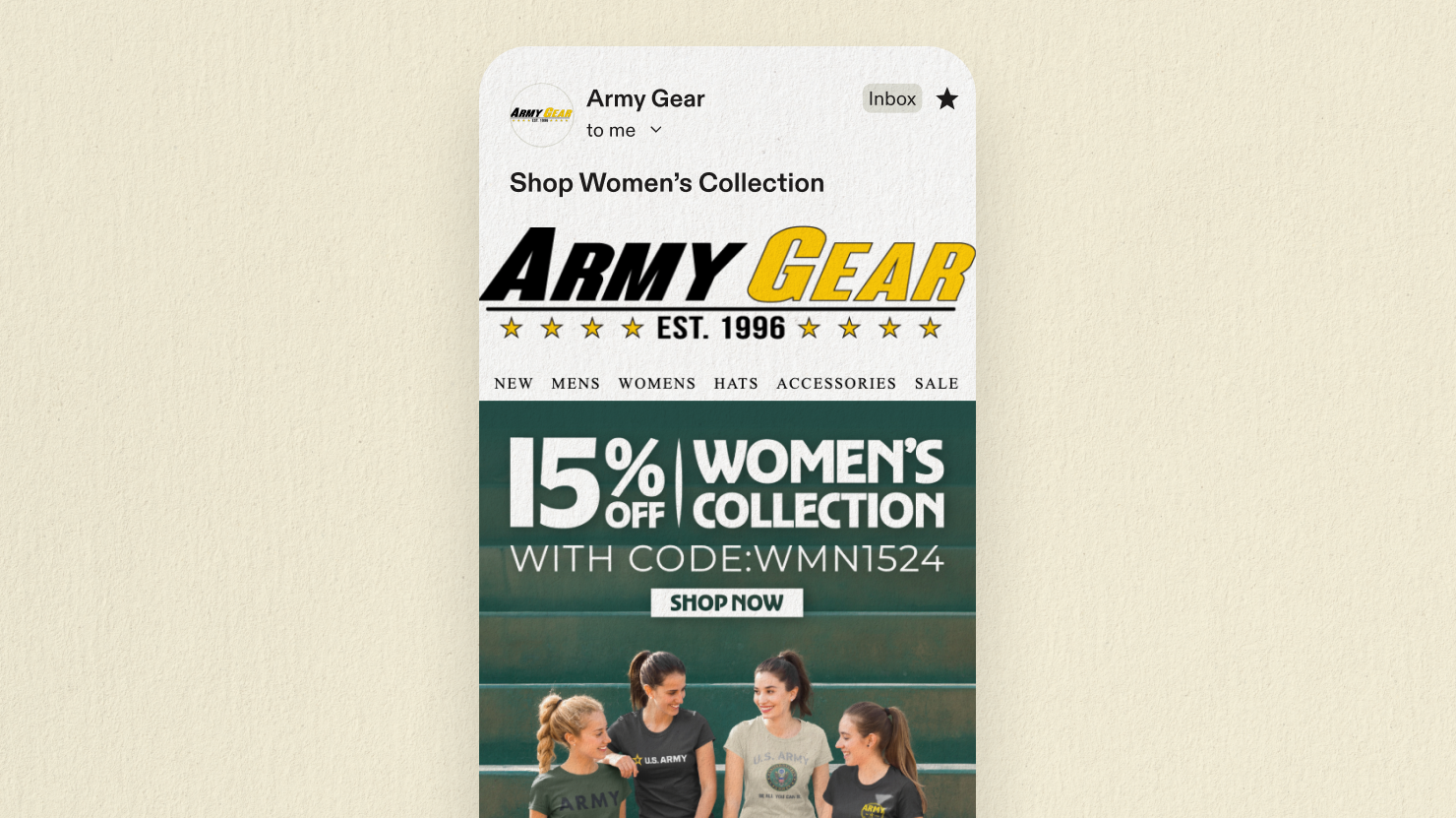
Who they are: Subscribers who purchased during your BFCM sale
Why they matter:
How to define them: Purchased during your BFCM sale
How to engage them for BFCM: With BFCM purchasers, you have two options during Cyber Week:
And of course after BFCM, this is a segment to invest your retention efforts in.
Who they are: Subscribers segmented by their location—city, state, country, or region.
Why they matter: Location-based segmentation lets you create more relevant experiences during BFCM. You can promote weather-appropriate products, highlight local store events, and tailor your messaging to regional preferences.
How to define them: It depends on how you want to use this information. You could segment by:
How to engage them for BFCM: Geographic segments open up plenty of ways to reach Cyber Week shoppers:

Manual segmentation is a strong foundation, but it has limits. You could miss high-intent subscribers who don't fit your predefined criteria—or include subscribers who aren't actually likely to convert.
Audiences AI, part of the Attentive AI Pro suite, uses predictive analytics to identify patterns in your customer data that would be impossible to spot manually. Then it recommends which subscribers to include and exclude from each campaign based on their likelihood to purchase—even when they don't fit your segment definitions.
The impact shows up across channels: brands see a 15–20% average boost to SMS campaign revenue and a 20–30% average revenue lift or more with Audiences AI for Email.
Attentive customers put those gains in context:
During Cyber Week, when send volume is high, Audiences AI helps you expand your segments with likely converters you might have missed—and keeps optimizing as shopper behavior changes throughout your sale.
Learn more about Attentive AI Pro and get a demo.
Well-built segments can still underperform if you run into a few common issues:
You have the audiences. Now put them to work when intent amplifies.
Every VIP early-access send, engaged-subscriber sequence, and interest-based promo you mapped above belongs in your Cyber Week calendar.
Get inspiration from 16 messages to send during BFCM:
{{next-article}}
Disclosure: Where this material includes Attentive proprietary internal product, platform, or performance data, certain benchmarks, summaries, statistics, or insights may have been compiled or analyzed with AI-assisted tools using Attentive proprietary internal data believed to be reliable. AI-assisted analysis was subject to internal review, but may contain errors, omissions, or limitations, and the data reflects the applicable dataset, methodology, assumptions, and time period used for the analysis. Unless otherwise stated, the data has not been independently audited or verified by a third party and may not be representative of all customers, industries, campaigns, use cases, or time periods. This material is provided for general marketing and informational purposes only and does not constitute a guarantee, warranty, or prediction of future performance, savings, revenue, conversion rates, deliverability, engagement, or other business outcomes. Individual results may vary.
There will be overlap between VIPs and engaged subscribers. If you're sending similar campaigns to both, exclude VIPs from your "engaged" audience to avoid duplicate messaging.

You may see more opt-outs from this segment than others, but it's a natural opportunity to cleanse your list and free up spend for future campaigns. 81% of SMS subscribers who unsubscribed from brands during Cyber Week in 2025 had never made a purchase—and an additional 15% had made only one, likely from their initial welcome offer.