
Shoppers try many brands, but stick with a select few. We asked 600 consumers what keeps them coming back—and what makes them walk away.
Loyalty is being renegotiated. As economic headwinds lead consumers to re-evaluate how they’re shopping, many are trying new brands and retention has become more challenging for brands to maintain.
In 2026, shoppers are more selective, but their loyalty can be earned.
This matters because repeat customers create a flywheel that amplifies your brand’s success, taking actions like:
- Visiting a brand’s site/app regularly (47%)
- Recommending a brand to friends and family (38%)
- Buying without waiting for a sale (35%)
- Opening most marketing messages from a brand (27%)
- Writing product reviews (26%)
To understand how marketers can improve brand loyalty in 2026, we surveyed 600 US consumers to find out what earns their loyalty, what pushes them away, why they stay subscribed to brand messages, and the loyalty perks that keep them around.
This is your guide to improving retention in 2026.
Editor's note: This report was updated in August 2026 with new complementary data.
{{grey-one}}
88% of consumers shopped a new brand last quarter—and their loyalty is up for grabs
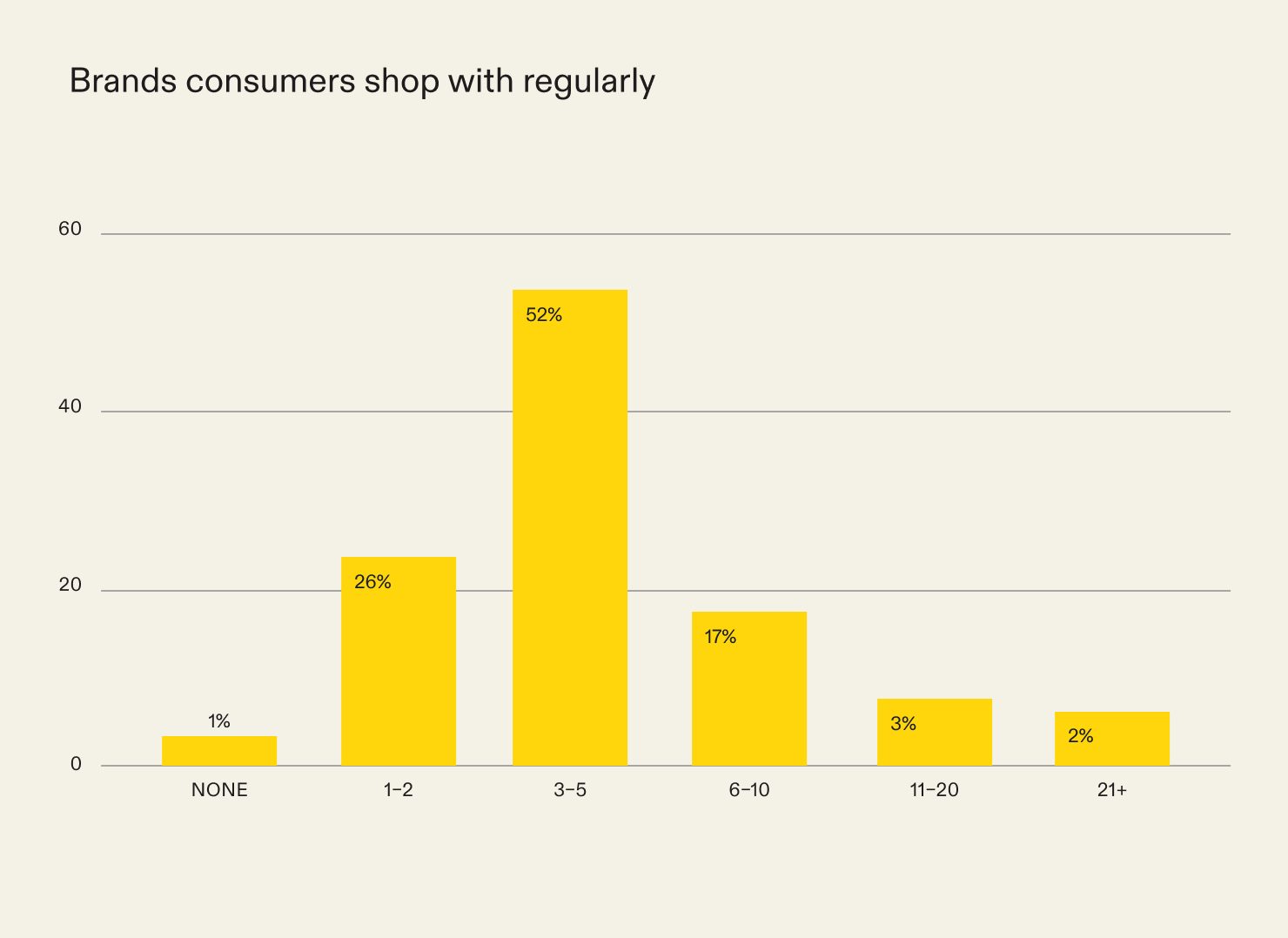
88% of shoppers bought from a new-to-them brand in the past three months, but 77% (and 85% of Gen Z) say they shop regularly with five brands or fewer. So marketers need to work strategically to earn a coveted spot on customers’ shortlists, particularly for younger shoppers.
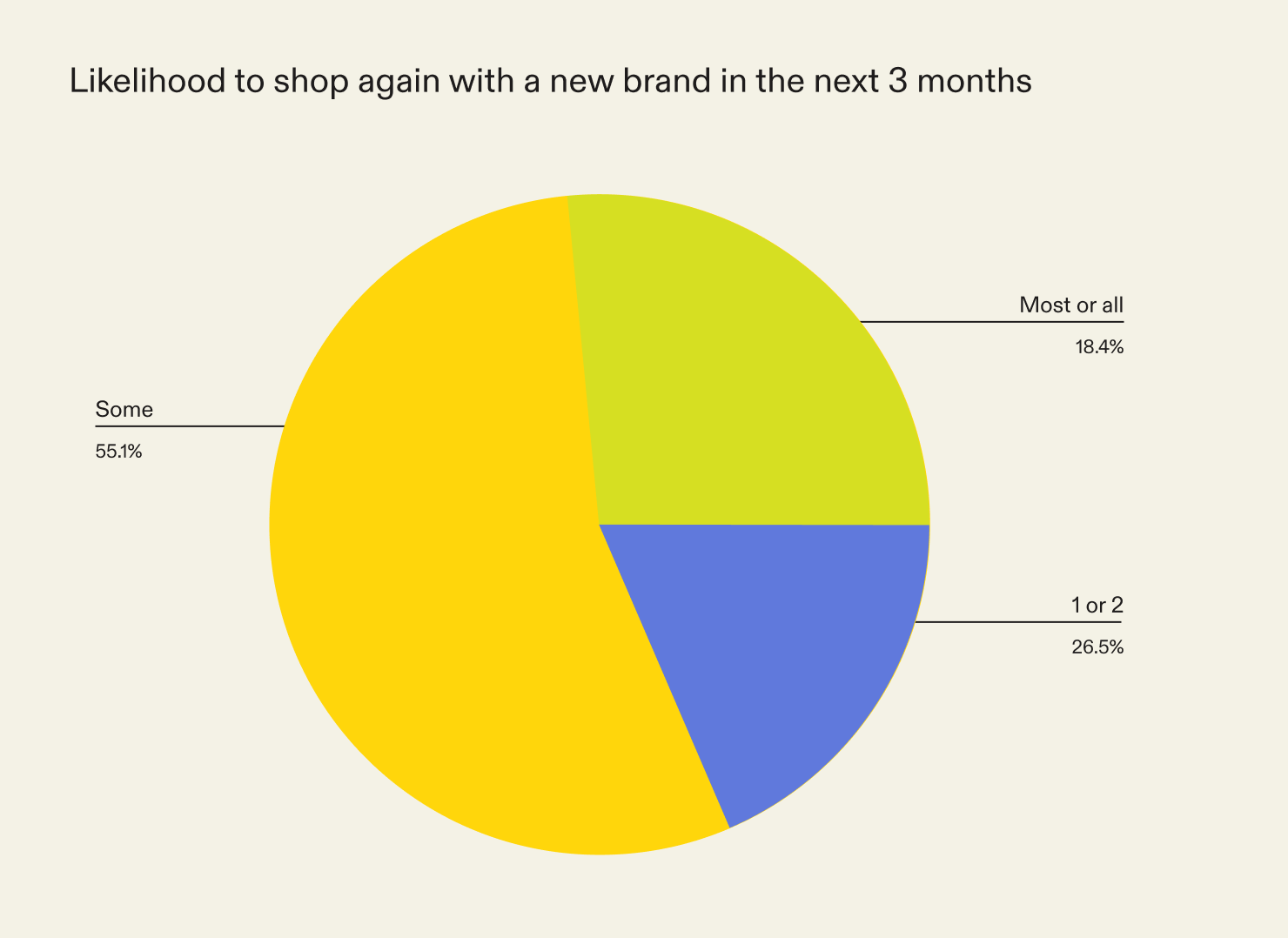
Consumers are open to coming back, though:
- 18% expect to buy from most or all of the new brands they’ve tried in the past three months.
- 55% expect to buy from some of these brands.
- 27% expect to buy from one or two of these brands.
Word to the wise: The more channels a shopper is subscribed to (across email, SMS, and push), the more brands they shop with regularly. And shoppers subscribed to two channels are 1.7x more likely to say they’ll buy again from most of the new brands they tried—jumping to 2x when they’re subscribed to all three.
Younger shoppers keep their options open
Gen Z and Millennials have a tighter shortlist of brands they shop with regularly, but they’re also more likely to think they’ll shop again with a new brand.
27% of Gen Z and 24% of Millennials expect to shop with most or all of the new brands they’ve tried recently, compared to 10% of Gen X and 9% of Baby Boomers.
This likely means these shoppers more readily swap out their go-to brands when something else catches their eye. So establishing a strong retention strategy is all the more important for younger generations.
Take action
Multi-channel subscribers are more likely to shop again with a new brand—and new data shows that 85% of consumers who receive emails and texts from brands are open to joining both when a brand asks. So it's worth growing your multichannel list:
- Use a two-step sign-up form to encourage email and SMS sign ups.
- Invite mobile browsers to download your app and enable push notifications from your website—or follow up with dedicated emails.
- Share the value of signing up for each channel (e.g., SMS subscribers get early access; app users can easily track shipments)
- Promote your SMS channel to email-only subscribers, and vice versa.
Go deeper: How to Grow Your SMS and Email Subscriber List: 11 Proven List Growth Strategies
Deals, product quality, shipping policy, and value bring shoppers back
When we asked shoppers what factors were most likely to bring them back to shop again with a new brand (allowing them to select up to their top three), they said:
It’s no surprise that deals will bring customers back, but endless discounts won’t be ideal for your margins. So offer strategic promotions that encourage customers to stick around without leading them to think they never have to buy at full price.
On the flip side, when we asked shoppers what factors (up to three) would make them less likely to go back to a brand they shopped with for the first time, similar factors rose to the top:
Overall, shoppers want to get their money’s worth on a high-quality product. That doesn’t just depend on the customer’s first-hand experience with your product.
You can improve their perception of quality with educational content—which will also help you retain the 28% of shoppers that abandon a brand for a better alternative.
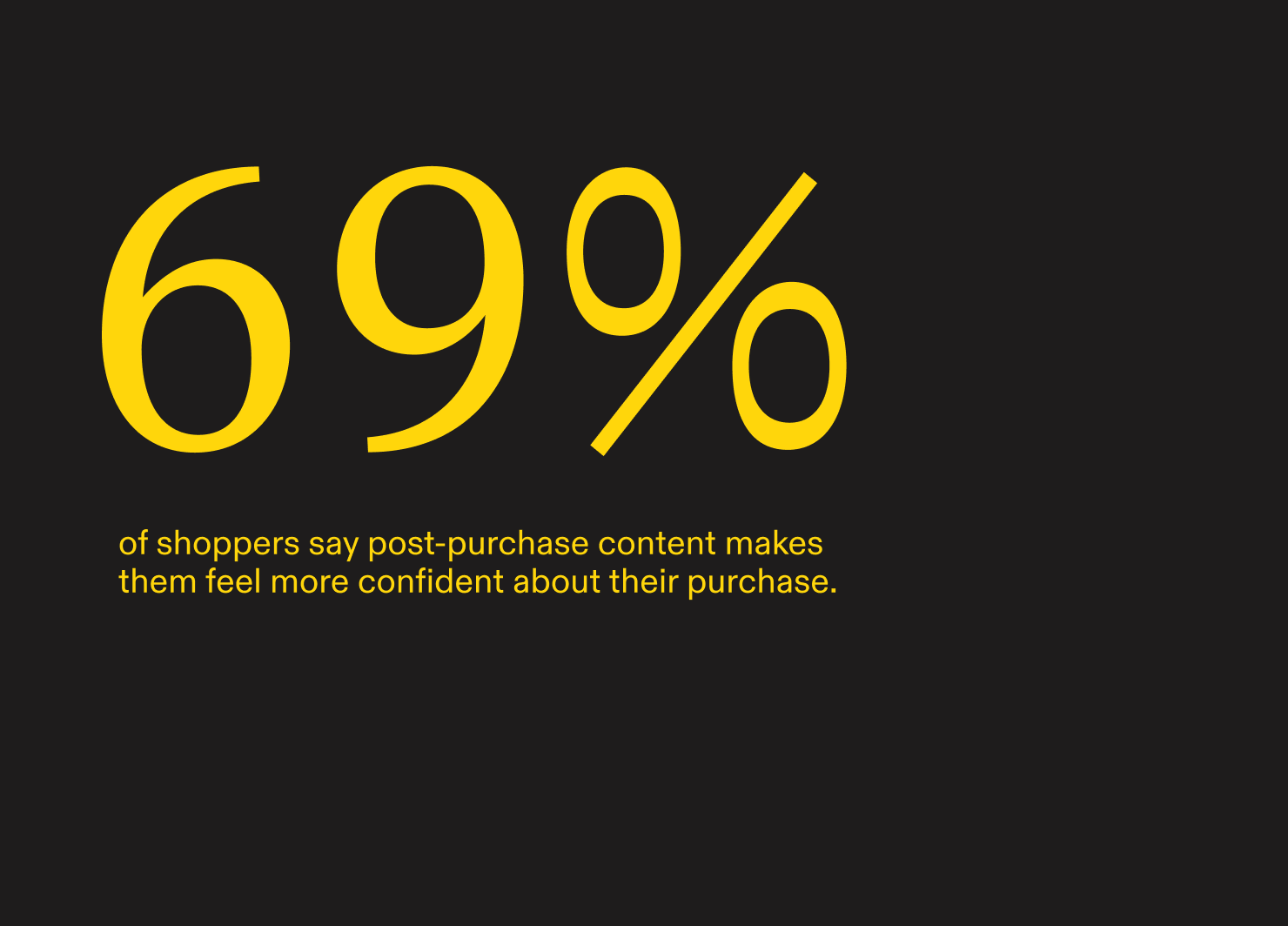
In fact, 69% of shoppers say post-purchase content (including customer reviews, use and care tips, and photos or videos of the product in use) helps them feel more confident after they’ve bought from a brand. This confidence means they’ll get more value out of your products and find it worthy of the investment. Plus, higher confidence means fewer returns and a greater chance they’ll come back to you in the future.
Shipping and returns are also high on consumers’ priority lists. So improving your policy is an easy lever to pull for improving retention.
{{grey-two}}
Take action
1. Offer second-purchase perks that build value—not discount dependence.
To bring shoppers back without relying on blanket discounting, try promoting:
- Subscribe-and-save options on consumables
- Bulk buys and bundles
- Free shipping on their next order
- Free gift on their next order
- Discounts on mystery items
2. Add post-purchase flows to reduce returns and boost purchase confidence.
Use your post-purchase flows to help customers get more value out of their purchase—and reduce second-guessing:
- Share the benefits of your materials or production process.
- Help them use and care for their products.
- Inspire them with ideas on how to use your products. Think style guides, recipes, workouts, design tips, whatever is relevant to your brand.
- Increase customer confidence with reviews, UGC, and customer stories.
3. Audit your shipping and return policies to remove friction.
Review your policies and flows to set clear expectations and improve the customer experience:
- Make shipping costs and delivery timelines clear.
- Pressure-test your free-shipping threshold so it feels attainable.
- Collaborate with the logistics team to ensure returns are self-serve and low-effort.
4. Improve message relevance.
Use behavior and preference signals to tailor marketing messages:
- Recommend complimentary products in post-purchase messages based on the shopper’s original purchase.
- Use engagement- and interest-based segmentation to send campaigns to shoppers who are likely to be interested in each message.
- Layer in AI-powered personalization to increase relevance at scale.
- Choose a strong subscriber recognition solution, like Attentive Signal, that can track subscribers across devices, browsing sessions, and after cookies expire. That way, your triggered messages can respond to shoppers’ actual behavior and pause welcome and abandonment journeys once they’ve purchased.
Becoming a go-to brand starts with quality, value, and experience
We know what drives or blocks a second purchase. But earning a spot on a shopper’s shortlist is a different win. It’s when they come back on their own, searching for you by name, not just shopping whoever has the best deal that day.
These are the top factors that lead customers to seek out a brand by name:
Value alignment is a bigger loyalty driver for Gen Z and Millennials
The main reasons shoppers seek out a brand by name are consistent across generations. But 35% of Gen Z and 26% of Millennials will seek out a brand for value alignment, compared to 19% of Gen X and 15% of Baby Boomers.
Take action
1. Bake “proof” into your messaging to earn repeat customers.
Beyond sharing product benefits, prove your value by highlighting comparisons to other options, your warranty, customer stories and reviews, and other social proof.
2. Send shoppers relevant products.
Use preference fields on sign-up units, conversational texts, or quizzes to learn about their size, style, preferences, and purchase context (e.g., self vs. gift, occasion). Combine this with behavioral data, including past purchases and browsing history to recommend relevant products.
3. Lean into brand values to connect with younger generations.
If you cater to Gen Z or Millennials, speak more from your brand values to connect on an emotional level.
4. Feed the loyalty program and referral loop.
A good chunk of shoppers seek out a brand by name because they’re a rewards program member or because a friend referred them. Encourage this behavior by rewarding your VIPs for valuable actions they take like purchases, referrals, and reviews.
71% stay subscribed for sales—but they’ll stick around for more than promos
Subscriber retention is the next unlock, and it’ll help you turn new customers into regulars.
The main reason shoppers stay subscribed to marketing messages is to be notified of sales or promotions, but it’s not the only reason:
Those who subscribe to 2–3 channels select more of these responses than single-channel subscribers. And they’re more likely than single-channel subscribers to stay subscribed for each of these reasons, except to be notified of sales, which is similar across both groups.
Gen Z is interested in more content types
Notably, younger consumers stay subscribed for a broader content mix from brands. Only 59% of Gen Z stay subscribed for sales, but they show more interest in other types of content than other generations.
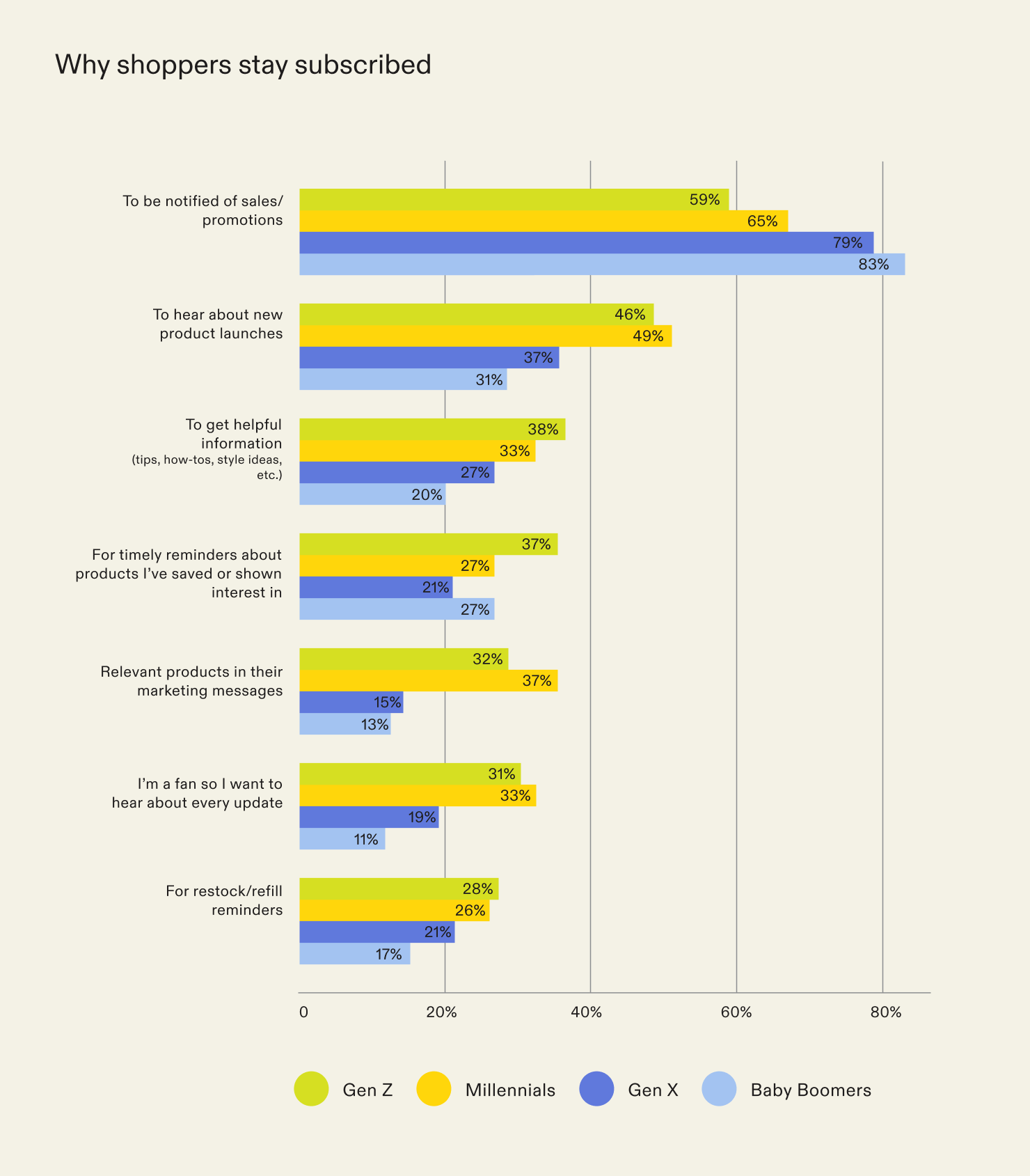
Meanwhile, older shoppers are mostly in it for the deals—as 79% of Gen X and 83% of Baby Boomers stay subscribed to learn about a brand’s next promo.
Take action
1. To keep subscribers engaged, match your content to the reason they opted in.
- Set expectations at sign-up by telling subscribers what they’ll get (e.g., sales, early access, helpful tips).
- Prioritize the top content types in your messaging strategy, depending on what’s relevant for your brand.
2. Then deliver that content in ways that feel timely and useful.
- Build helpful content into your automations. Help them commit to their purchase in abandonment flows and deliver care and style info in post-purchase messages.
- Send reminders about saved items, refills, and back-in-stock products they’ve shown interest in.
- Help shoppers prepare for upcoming cultural moments with recipes, outfits, tips, etc. that match the season or event.
- Match the content type to the right channel—email for storytelling, SMS for immediate action, push for in-app engagement—and opt for richer formats (like RCS for text messages or adding images to push notifications) when visuals and interactivity makes the message more useful.
43% of shoppers unsubscribe because of message fatigue—brands can fix this
New data shows that 50% of shoppers who subscribe to email or SMS have unsubscribed soon after signing up. Most shoppers unsubscribe because they’re getting too much of what feels repetitive or irrelevant.
Shoppers unsubscribe because:
Many of these opt-outs can be addressed with personalization.
Reinforcement works—repetition doesn’t
When we asked specifically about how shoppers feel when they see the same thing on more than one channel, we found that 60% feel fine about it—with 28% finding it helpful and 32% saying they don’t mind seeing the same thing in more than one place.
The more channels a shopper is subscribed to, the more likely they are to have a neutral to positive experience with multiple messages about the same thing.
There is room for improvement, though. 30% of shoppers feel overwhelmed and say they get too many messages about the same thing.
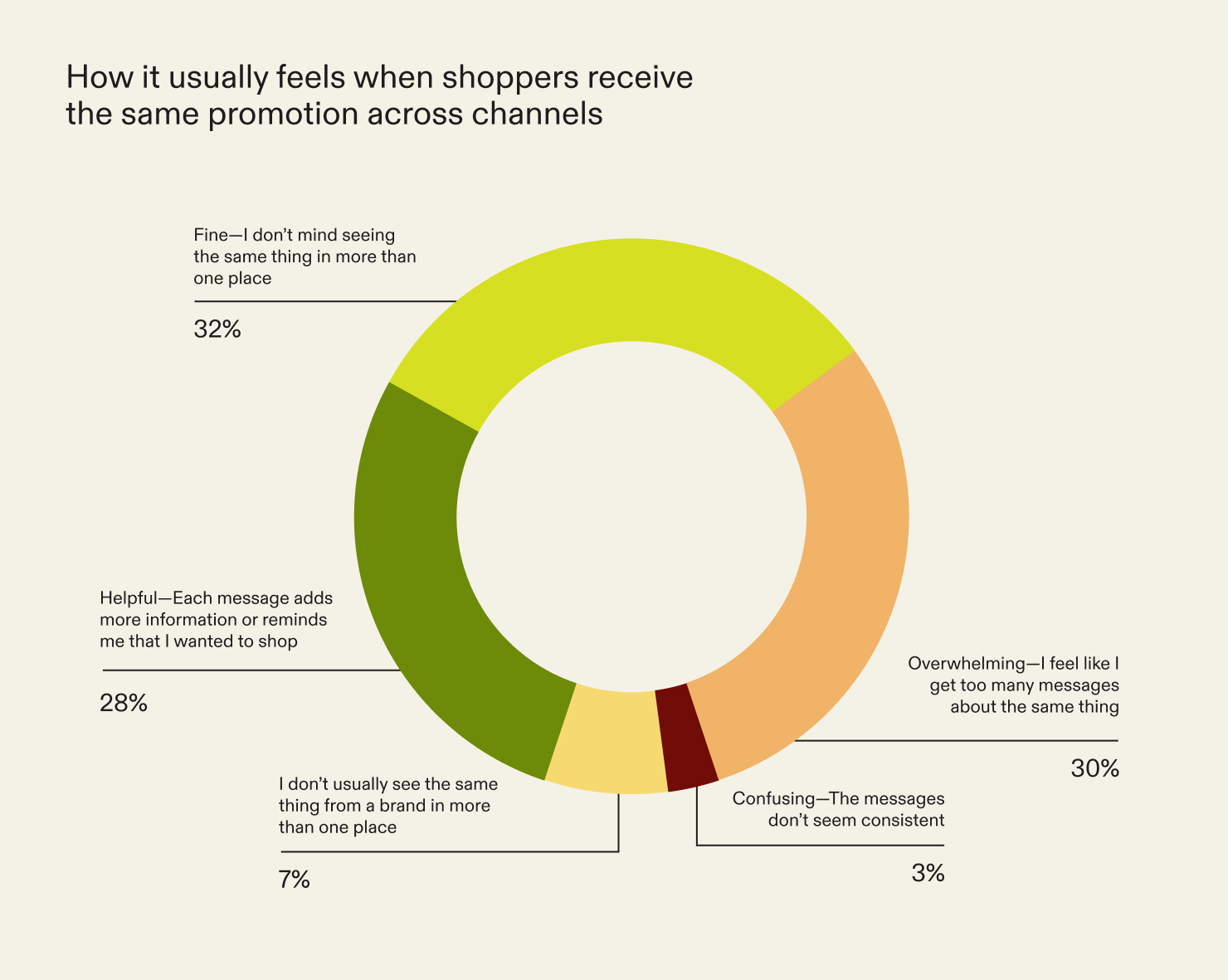
Those that feel overwhelmed are also more likely to say they unsubscribed for these reasons:
- Too many messages overall from a brand
- Seeing the same message or promotion again
- Reminders about a product after they’ve purchased
So while the majority feel fine about multi-channel messages, brands also need to adapt to a shopper’s engagement level and make follow-up messages feel like a continuation of the conversation so it doesn’t feel repetitive. New data shows that 75% of shoppers want brands to adjust message frequency based on engagement.
Take action
1. Reduce message fatigue by tuning in to engagement and relevance.
- Segment by engagement, channel affinity, on-site behavior, and purchase recency.
- Adopt high-quality subscriber recognition technology so your behavioral flows stop once a purchase has been made.
- Activate your data with AI to keep messages relevant.
2. Make follow-up messages additive, not repetitive.
Turn multi-message campaigns or behavioral flows into a continued conversation by adding value with each new message. As you coordinate messages across channels, use:
- SMS for immediate action and timely reminders
- Email to add context, more visuals, and deeper storytelling
- Push notifications to boost in-app engagement
3. Don’t go silent after the welcome offer.
Although 30% say they unsubscribe because they just signed up for the welcome offer, you still have a chance to show them the value of sticking around with:
- A helpful post-purchase flow
- Reminders about what they get by staying subscribed (product launch news, sales, early access, exclusive offers)
Loyalty programs in 2026: Members-only perks win
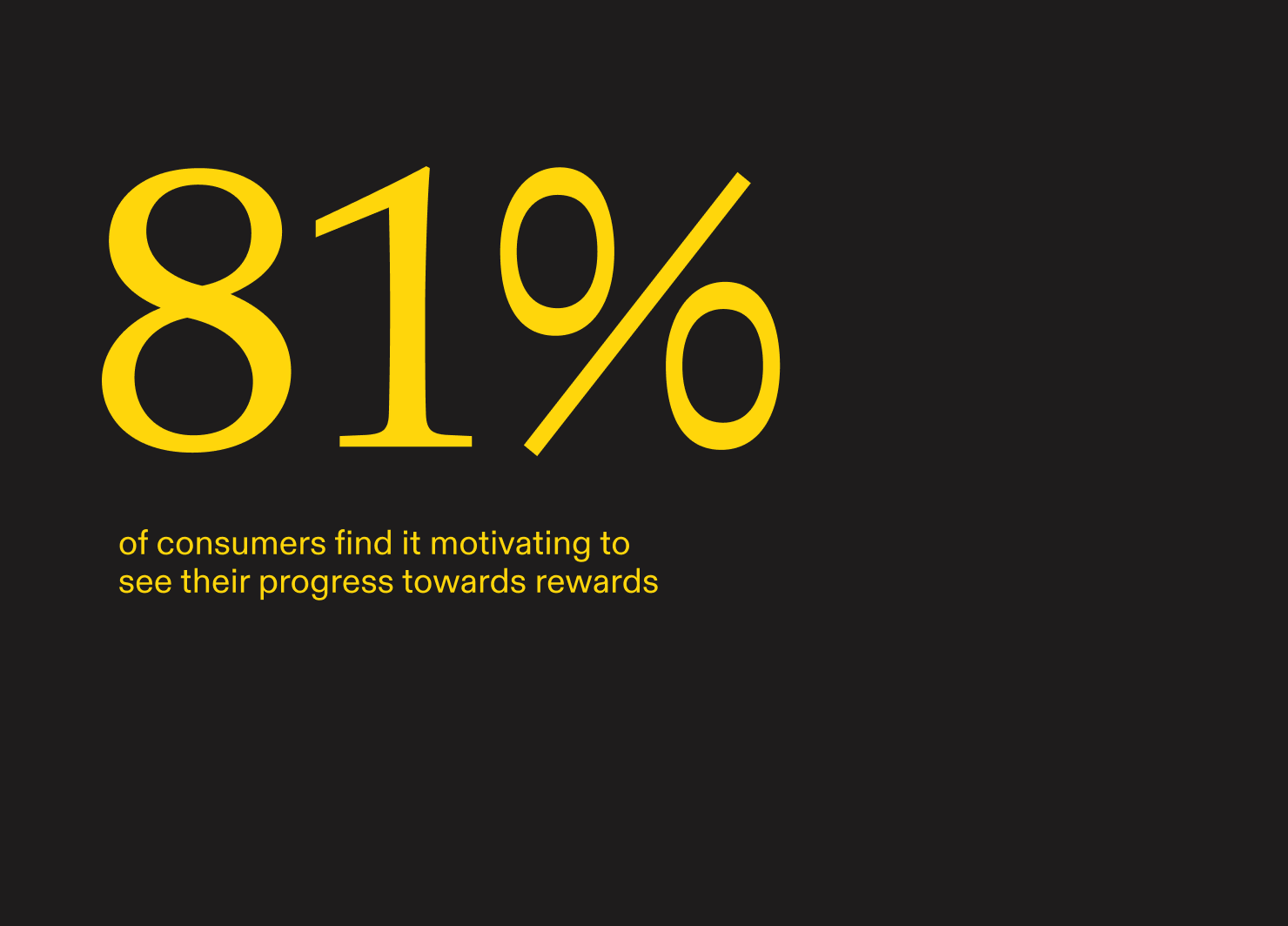
81% of all consumers said it’s motivating to see their progress toward rewards with a brand. In a value-conscious year, fortifying your loyalty program can help you retain your hard-won customers by giving them something tangible for sticking with you.
But what do you reward your VIPs with? Shoppers’ priorities haven’t changed since last year, but we asked about a few additional perks.
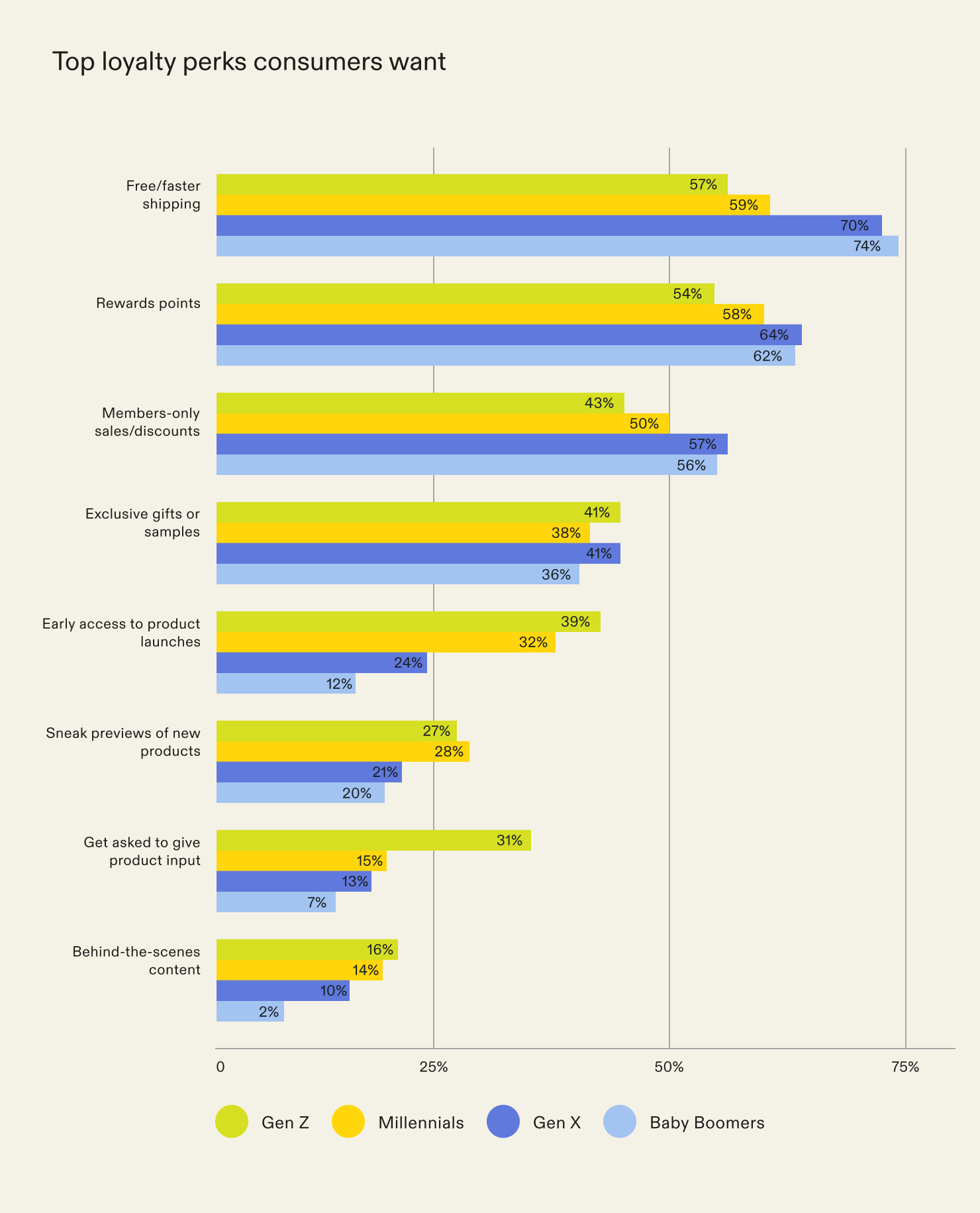
In 2026, these are the top loyalty perks shoppers want for sticking with a brand:
Those who subscribe to two or three channels are significantly more likely than single-channel subscribers to want:
- Early access to product launches
- Sneak previews of new products
- To give input on future products or features
Younger gens are more interested in early-access, product input, and behind-the-scenes content
Desire for many of these perks is similar across generations. But younger shoppers show much higher interest than older generations in:
- Early access to product launches (39% for Gen Z; 32% for Millennials)
- Giving input on future products or features (31% for Gen Z)
- Behind-the-scenes content (16% for Gen Z; 14% for Millennials)
One more thing: Exclusivity wins out.
When we asked shoppers what the #1 type of offer makes them likely to keep shopping with a brand, they said:
- 41%: Exclusive discounts for VIPs only
- 30%: Rewards based on past purchases or loyalty
- 11%: Personalized offers tied to what I’ve bought
- 11%: One-time discounts that all shoppers receive
- 7%: Discounts don’t really affect whether I keep shopping with a brand
VIPs want perks to feel exclusive or earned, which helps them feel recognized and valued for their loyalty.
Take action
1. Activate loyalty flows to show progress toward rewards.
In these loyalty flows, send them motivating messages at key moments:
- Let them know when they’ve earned enough points for a reward or entered the next loyalty tier.
- Incorporate points data into winback flows, post-purchase messages, and standard campaigns to let them know how close they are to earning a reward.
- Make progress feel immediate by building in early milestones that are easy to achieve (e.g., by joining the program, following the brand on social, first purchase).
2. Build rewards around what shoppers want.
- Use shoppers’ top loyalty picks to guide your rewards program.
- Test what perks work for your brand—or cycle through a few options to keep customers excited.
- Layer on VIP specials for the sales events or product launches you already have planned by giving them early access, sneak previews, and additional discounts, gifts, or rewards points.
3. Treat loyal multi-channel subscribers like insiders.
Remember: multi-channel subscribers enjoy early-access, sneak previews, and giving input more than single-channel subscribers. So lean into exclusivity and feedback to deepen their loyalty:
- Add additional pre-launch or pre-sale campaign messages for this segment that build excitement.
- Ask them for feedback more often than other segments—especially if you have a full messaging calendar and don’t want to overload your whole list.
The bottom line: Earn the second purchase, then earn a place on the shortlist
Shoppers’ go-to brand list is small. Earning a spot takes consistency: a product experience that holds up, messaging that proves value, a frictionless shopping experience, and a customer journey that rewards loyalty.
Make the second purchase feel enticing without building discount dependence. Then become a default preference by making every touchpoint relevant and valuable.
Methodology
This survey was conducted online via Pollfish among 600 US adults (ages 18–79) from January 5–12, 2026. The study was designed to analyze results evenly across four generations: Baby Boomers, Gen X, Millennials, and Gen Z. No other post-stratification adjustments were applied.
.png)
.png)