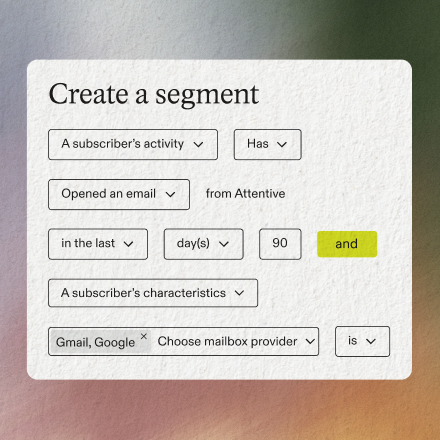
Segmentation: The Audiences to Define Before BFCM
Read next

This year's BFCM shopper is comparing prices, prioritizing needs, and weighing each purchase—and relevance can move that shopper toward a decision.
Collect the customer data that can power relevance so you can put it to work before and during Cyber Week.
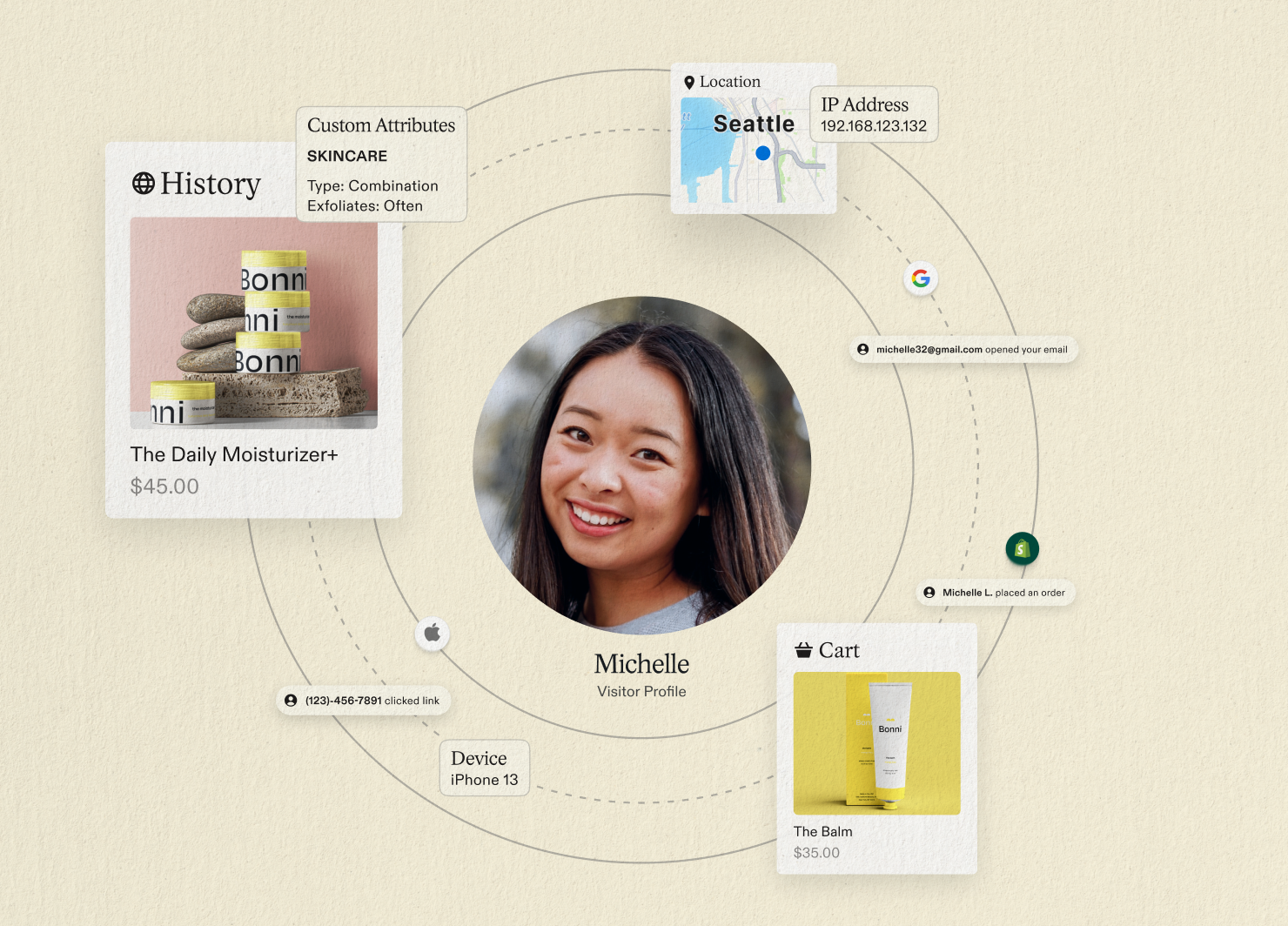
First-party behavioral data—browse and purchase history, email and SMS engagement, and response to different types of offers—tells you how customers interact with your brand.
This is a particularly valuable source of customer data because it reflects shoppers’ real-time relationship with your brand, showing you what they’re interested in and how engaged they are.
Use this information to:
Zero-party data gives you the "why" behind shoppers' actions that can't be observed with behavioral data alone.
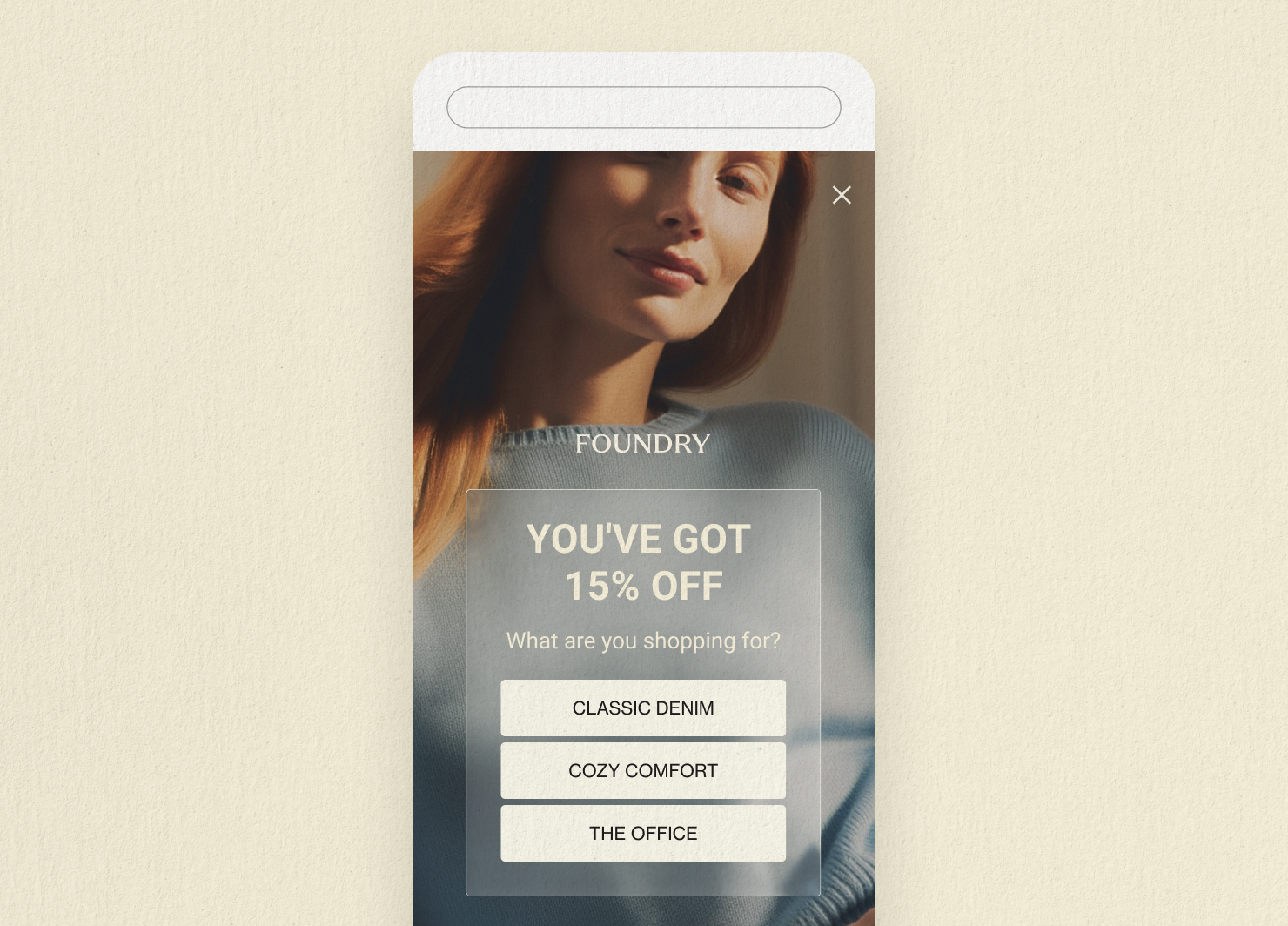
It's also a great way to personalize for new subscribers who you have less behavioral data on.
And shoppers are happy to give it to you: 75% are open to answering a few quick questions at sign-up if it makes the marketing they receive more relevant.
For BFCM, prioritize the details that can feed into what you'd send during the sale:
Add preference questions to the touchpoints shoppers already pass through:
Keep the ask light. One or two questions in a sign-up unit or post-purchase survey, tied to a clear payoff. Just enough questions in a quiz or conversational text to give an accurate product recommendation. 75% of shoppers are open to answering a few quick questions at sign-up when it makes their marketing more relevant.
To use the data you’ve gathered to personalize BFCM messages, you also need to recognize customers when they return to your site. Recognition ties each visit back to their customer profile so you can segment campaigns and trigger behavioral flows.
Customer recognition can be a challenge though:
Without a strong identity foundation, the data you collected is scattered across browsing sessions that look like different people—and shoppers experience the disconnect:
Upgrading customer recognition has a measurable impact. In the March 2026 Attentive Marketer Pulse, marketers investing in identity resolution were more likely to report improved messaging performance year over year (79% vs. 59%). And Attentive Signal, which matches subscribers across devices and sessions, leads to a 20% increase in conversion rates and 95% higher triggered email revenue.
Establish a strong identity foundation to support personalization.
Go deeper: Identity Resolution for Marketing: The Biggest Revenue Opportunity in a Privacy-First World
Once you’ve started gathering customer data, turn what you've collected into the audiences you'll message during BFCM.
The payoff comes from more relevant targeting. 73% of shoppers are more likely to purchase when product suggestions feel relevant to their needs and preferences. The brands that deliver that relevance during Cyber Week build segments from the customer data they start collecting now.
Learn which audiences to define before BFCM:
{{next-article}}