How to Tune Your Behavioral Flows for BFCM
Read next

Most programs have the basics running: welcome, cart abandonment, and sometimes post-purchase.
But shoppers send more signals than that. They browse without viewing a product. They wait on sold-out items. Their engagement gradually drops.
Each moment is an opportunity to respond with a message that matches their behavior.
Why turn these flows on before BFCM?
Here are the nine behavioral flows to activate now, from the foundational to the often-overlooked.
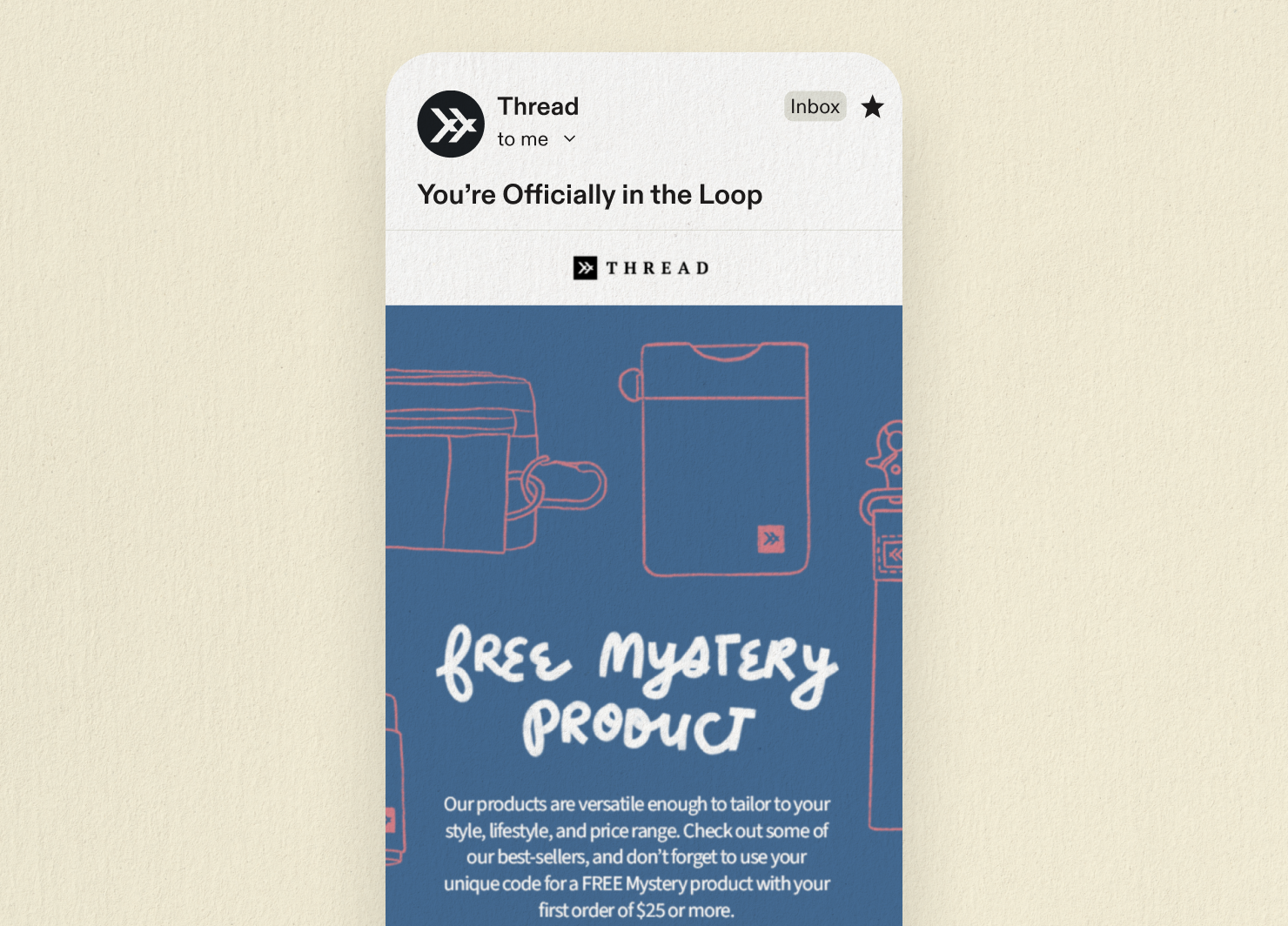
Your welcome series has a clear job: introduce shoppers to your brand and encourage their first purchase. So build it around that goal.
[image-modal-trigger-1] [data-bg="#FAF4DF"]
[image-modal-trigger-1]
[image-modal-source-1]

[image-modal-source-1]
A sequence built for the first purchase:
If an email or text in your welcome series doesn’t move new subscribers closer to that first order, it’s a candidate to cut or rework.
And if you’re growing your list ahead of BFCM, this flow helps turn those new subscribers into engaged customers who you can market to during Cyber Week.
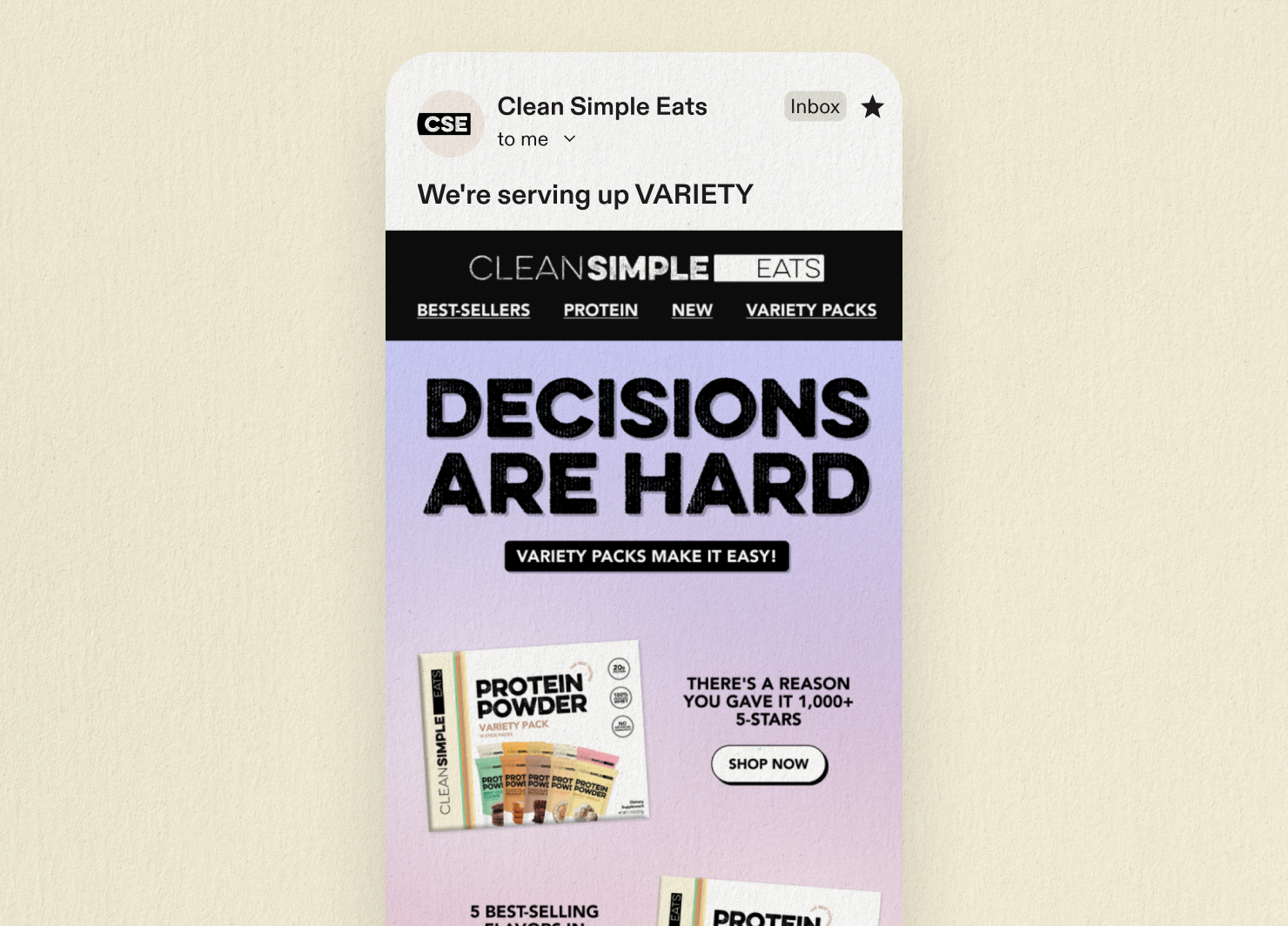
A signal many programs miss: a shopper visits your site, looks around, and leaves—no product viewed, no cart started. Browse and cart flows never fire, so the visit goes unaddressed.
But that visit is still intent—just earlier and less specific. And acting on it works: Adding a session abandonment journey drives a 6% lift in total triggered email revenue, according to Attentive internal data.
[image-modal-trigger-2] [data-bg="#FAF4DF"]
[image-modal-trigger-2]
[image-modal-source-2]

[image-modal-source-2]
Because you don't know what they were after, keep the message broad and low-pressure:
During BFCM, more shoppers will compare, click around, and leave quickly. A session abandonment flow gives you one more way to re-engage early interest.
Most programs have this one live, but don’t differentiate it from their cart abandonment—often it’s the same template. But browse abandonment is a different moment: a shopper who viewed a product but didn't add it to their cart is still undecided, and the message should reflect that.
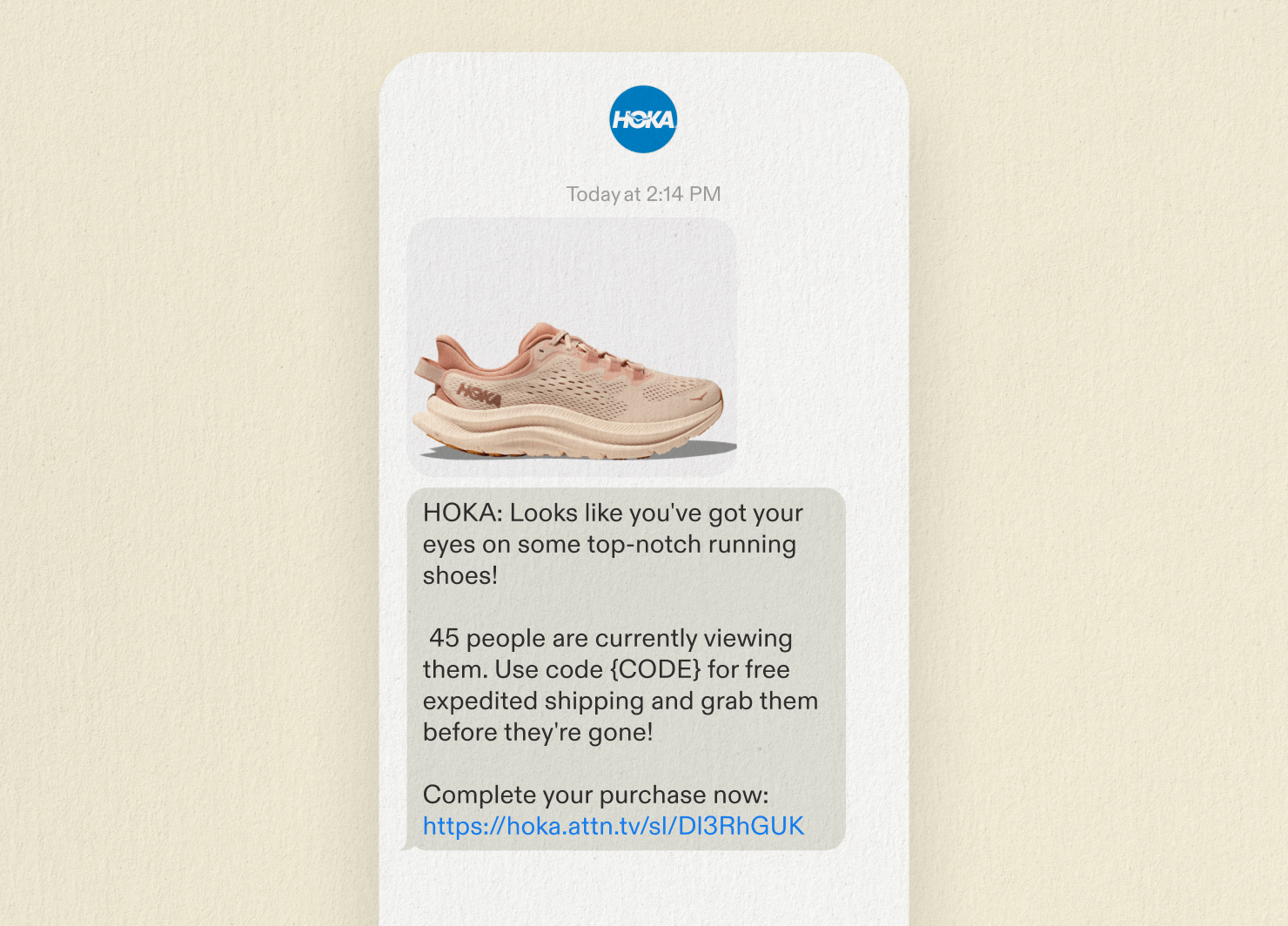
What a browse abandonment flow built for the undecided looks like:
This year, 42% of shoppers say they’ll be comparing options more before buying during BFCM. As shoppers compare more, browse abandonment flows can help them move from interest to decision.
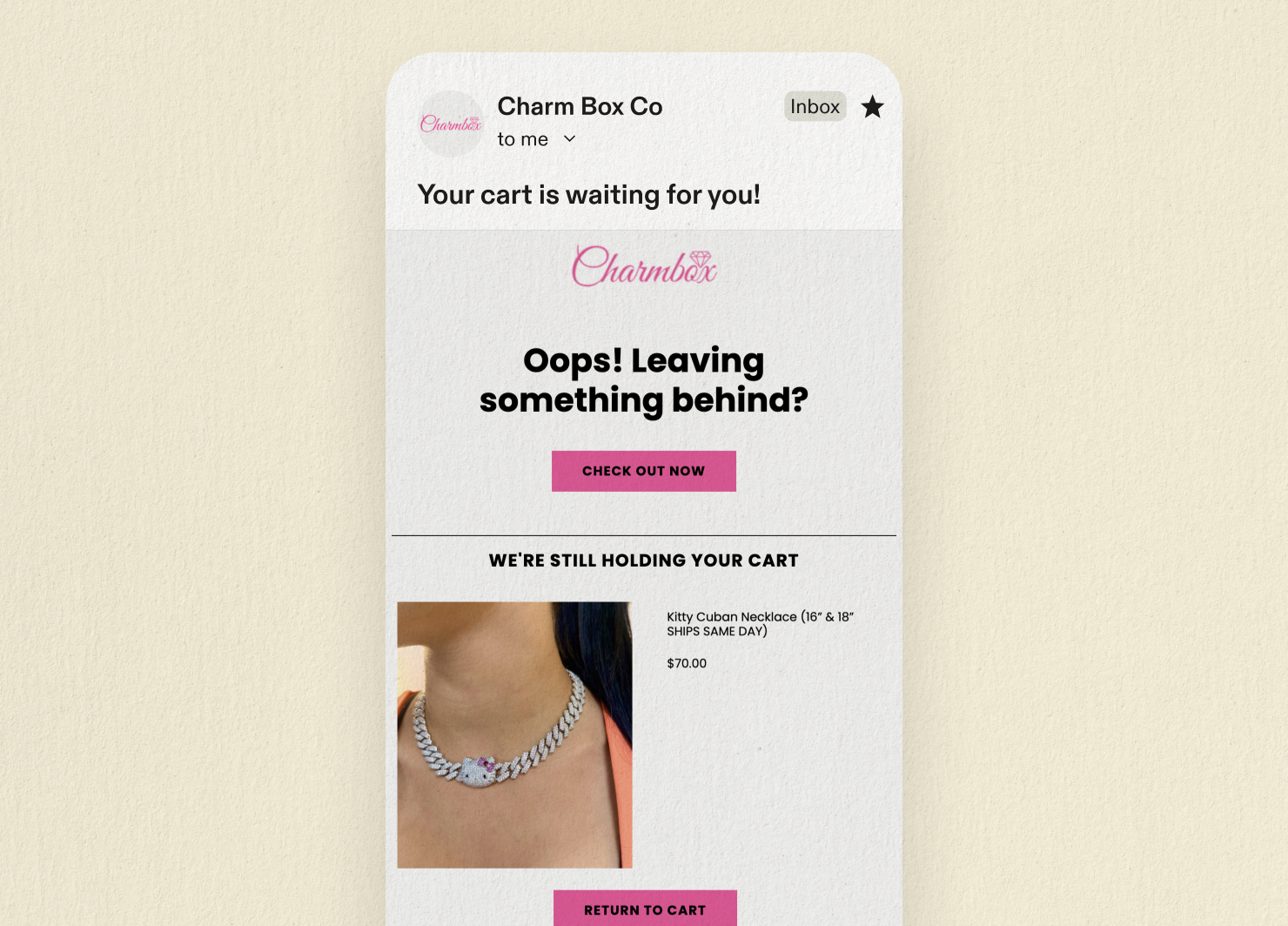
A flow nearly every program has—and one of your highest-intent audiences. On SMS, cart abandonment journeys convert at a 32% average rate (Attentive internal data).
[image-modal-trigger-3] [data-bg="#FAF4DF"]
[image-modal-trigger-3]
[image-modal-source-3]

[image-modal-source-3]
Since it's likely already live, the key question is whether it's doing more than "you left something behind":
Checkout abandonment is another flow that’s typically treated like cart abandonment—but it calls for a different approach. A shopper who starts checkout is often stuck on something specific. Shipping costs, return policies, or payment friction.
So this flow's job is to reassure:
[image-modal-trigger-4] [data-bg="#FAF4DF"]

[image-modal-trigger-4]
[image-modal-source-4]

[image-modal-source-4]
During BFCM, the objections get more pronounced—shipping costs add up across purchases, and return policies matter more when shoppers are buying gifts. The brands that respond to those doubts in the follow-up may recover more purchases that would otherwise stop at checkout.
For shoppers who viewed a product but didn't buy, sometimes the only objection was the number. A price drop flow watches for that moment and closes the loop automatically—and it's one shoppers welcome: 85% say sales or price drops on items they want make them more likely to purchase.
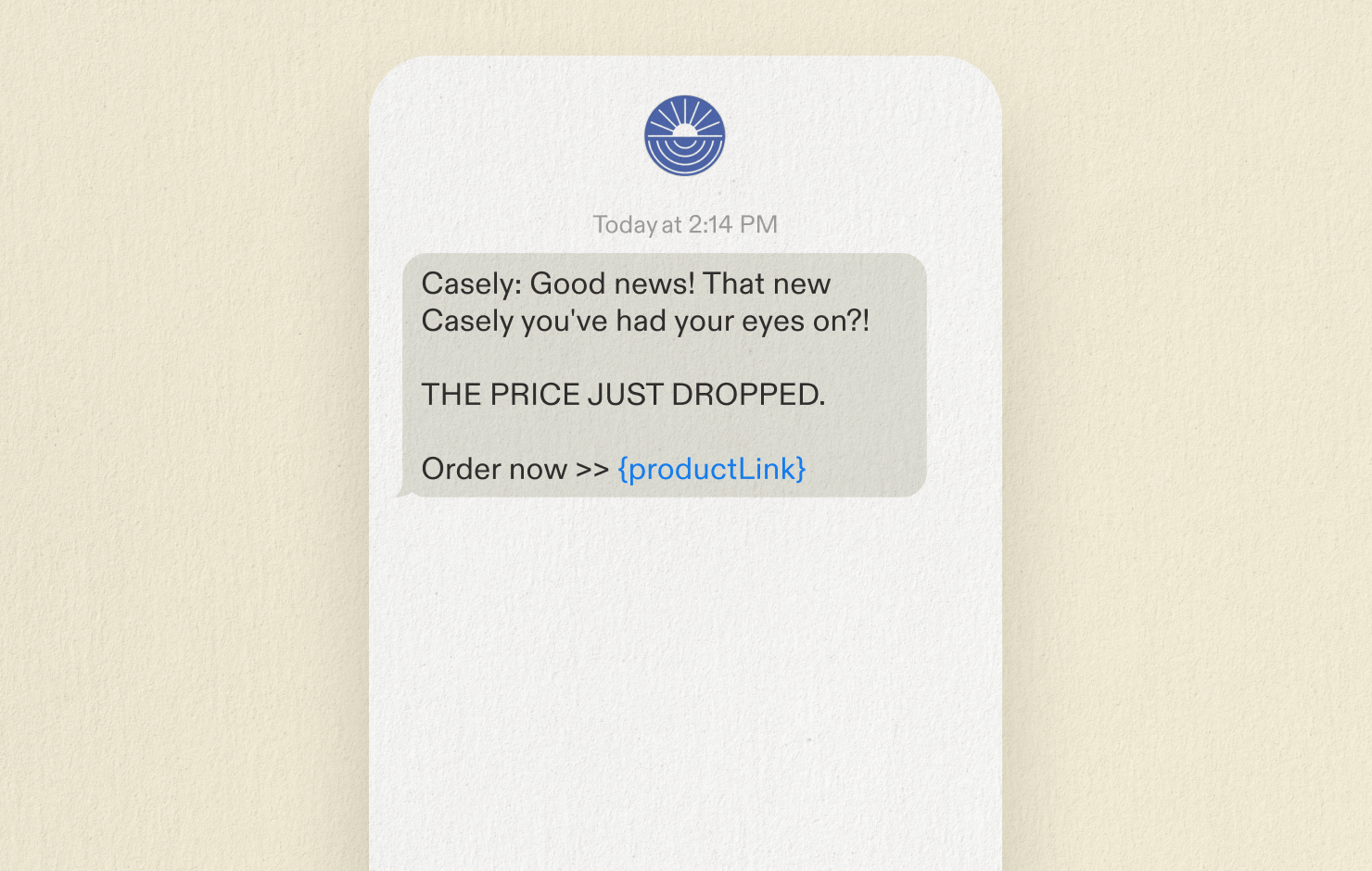
When set up well, this flow:
Having this flow optimized by BFCM is powerful. When an item a shopper viewed goes on sale, your promo reaches them through the lens of something they already want—not just another sale announcement.
Shoppers who hit an out-of-stock page and join a waitlist are telling you exactly what they want. 81% of shoppers say back-in-stock notifications make them more likely to purchase.
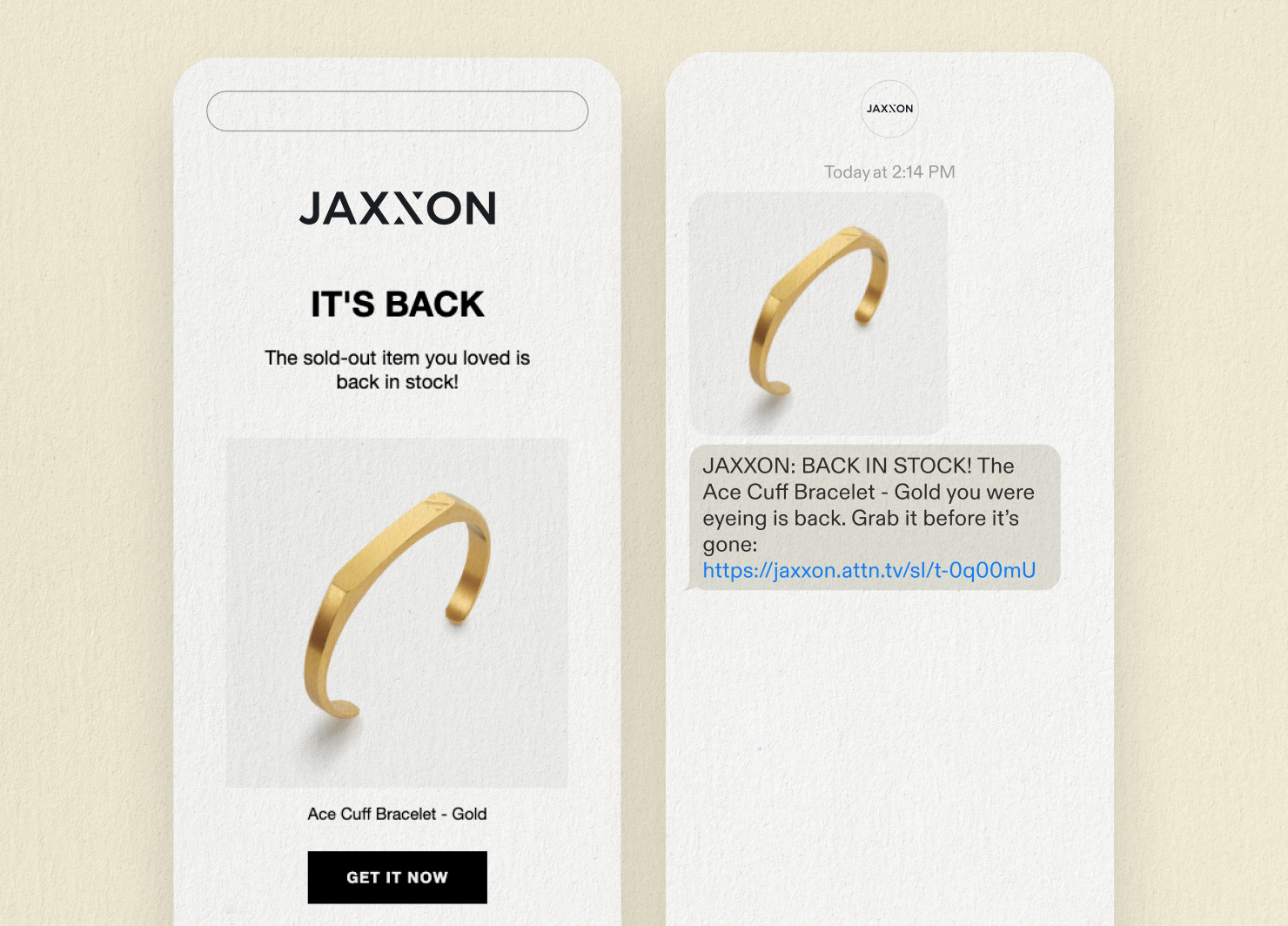
To set this up:
Before BFCM, this flow helps you capture early shoppers who’d rather buy now than risk the product selling out again before your best deals launch.
Your post-purchase flow serves multiple important functions that reduce returns and increase retention:
[image-modal-trigger-5] [data-bg="#FAF4DF"]

[image-modal-trigger-5]
[image-modal-source-5]

[image-modal-source-5]
In our 2026 State of Loyalty & Retention report, we found that 69% of shoppers feel more confident after buying if they receive post-purchase content like customer reviews, use and care tips, and photos of the product in use.
So while post-purchase flows may not drive as much revenue as other flows, these messages help build relationships that support retention and future revenue.
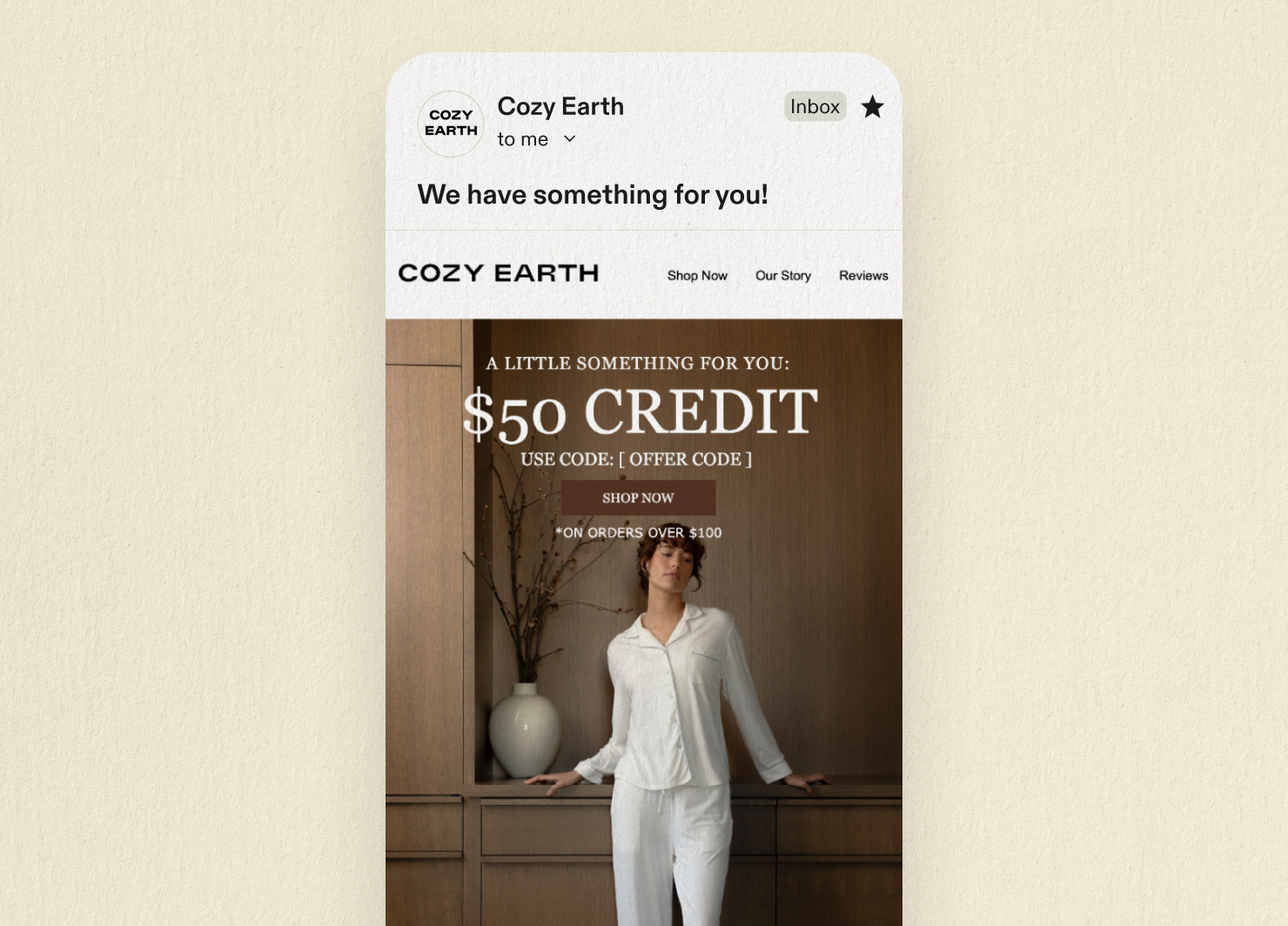
Leading up to Black Friday, winback flows and campaigns can warm up your list so they’re more engaged when you launch your deals.
[image-modal-trigger-6] [data-bg="#000000"]
[image-modal-trigger-6]
[image-modal-source-6]

[image-modal-source-6]
What to consider:
Nine flows, live and tuned, create a strong foundation. The limitation: most triggered messages still send the same template to everyone.
Attentive AI Journeys goes beyond static templates—using your program performance, product data, and each subscriber's behavior to send 1:1 triggered messages that better reflect individual intent.
Brands using AI Journeys drive 200% more revenue from triggered messages and see a 5x incremental ROI.
It's built for Cyber Week, too: AI Journeys can incorporate your sitewide sale into your triggered messages—so a Black Friday cart reminder references your live promotion.
Learn more about Attentive AI Journeys and get a demo.
By Cyber Week, your flows will be live, tested, and tuned.
The next move: adjusting them for how shoppers behave during Cyber Week—because browsing, comparing, and buying speed up when the deals go live.
It pays off. Marketers who tailored a welcome or post-purchase flow to BFCM subscribers last year were 29% more likely to successfully retain the customers they acquired.
Learn how to audit and adjust your flows for Cyber Week shopping patterns:
{{next-article}}