
September brings new routines, seasonal shifts, and fresh campaign opportunities. Here are the ideas and examples to make the most of them.
September changes the rhythm of the year.
School is back in session. Weekends revolve around football again. Summer schedules give way to more familiar routines, and many customers begin thinking about cooler weather, new habits, and everything the final months of the year will bring.
For marketers, September is more than the unofficial start of fall. It is the moment when planning starts turning into execution.
Labor Day offers one last major summer promotional opportunity. New seasonal collections and products begin arriving. Customer behavior starts shifting. And while the holidays may still feel a few months away, the journeys, creative, and campaign plans that will support them need attention now.
The opportunity is not simply to add fall language to your existing campaigns. It is to recognize that customers may be entering a different mindset—and make sure your messaging moves with them.
In this guide, you’ll find September marketing ideas you can put into practice right now.
September email and SMS marketing benchmarks
September email benchmarks:
September SMS benchmarks:
*September benchmarks as of August 17, 2026
September often brings a noticeable shift in customer behavior.
Schedules become more predictable, seasonal needs begin to change, and brands start increasing communication ahead of the fourth quarter. That makes this an important month to understand not only how your campaigns performed, but how engagement is evolving.
As you review September benchmarks, compare them with your own performance:
- Are customers engaging differently now that summer routines are ending?
- Which products or categories are gaining interest as the season changes?
- Did Labor Day shoppers respond differently from your typical promotional audience?
- Are previously inactive customers beginning to browse or purchase again?
- Which segments are showing early intent ahead of the holiday season?
Use the answers to identify where engagement is building, where it is slowing, and which September campaigns deserve further investment.
September marketing calendar and key retail moments
September is full of recognizable moments, but relevance should still determine which ones earn a place on your calendar.
Labor Day, back-to-school routines, the beginning of football season, and the transition into fall can all create meaningful campaign opportunities. The key is to connect each moment to a genuine customer need rather than treating every occasion as a reason to send.
Before building a campaign around a seasonal moment, ask:
- What is changing for our customers right now?
- Can our products help them return to a routine, prepare for cooler weather, or enjoy a seasonal activity?
- Does this moment matter to our entire audience or only a specific segment?
- Are we adding something useful to the conversation?
The strongest September campaigns do more than acknowledge the calendar. They reflect how customers’ priorities are changing.
5 messaging priorities for September
September sits between two distinct marketing seasons.
Summer promotions are wrapping up, but peak holiday messaging has not fully begun. That gives brands room to meet immediate customer needs while laying the groundwork for what comes next.
Here are five priorities to consider this month.
1. Help customers return to a rhythm
September is a month of re-entry.
Many customers may be returning to school schedules, commuting more often, restarting fitness routines, spending more time at home, or simply looking for more structure after summer.
That creates an opportunity for messaging centered on usefulness rather than urgency.
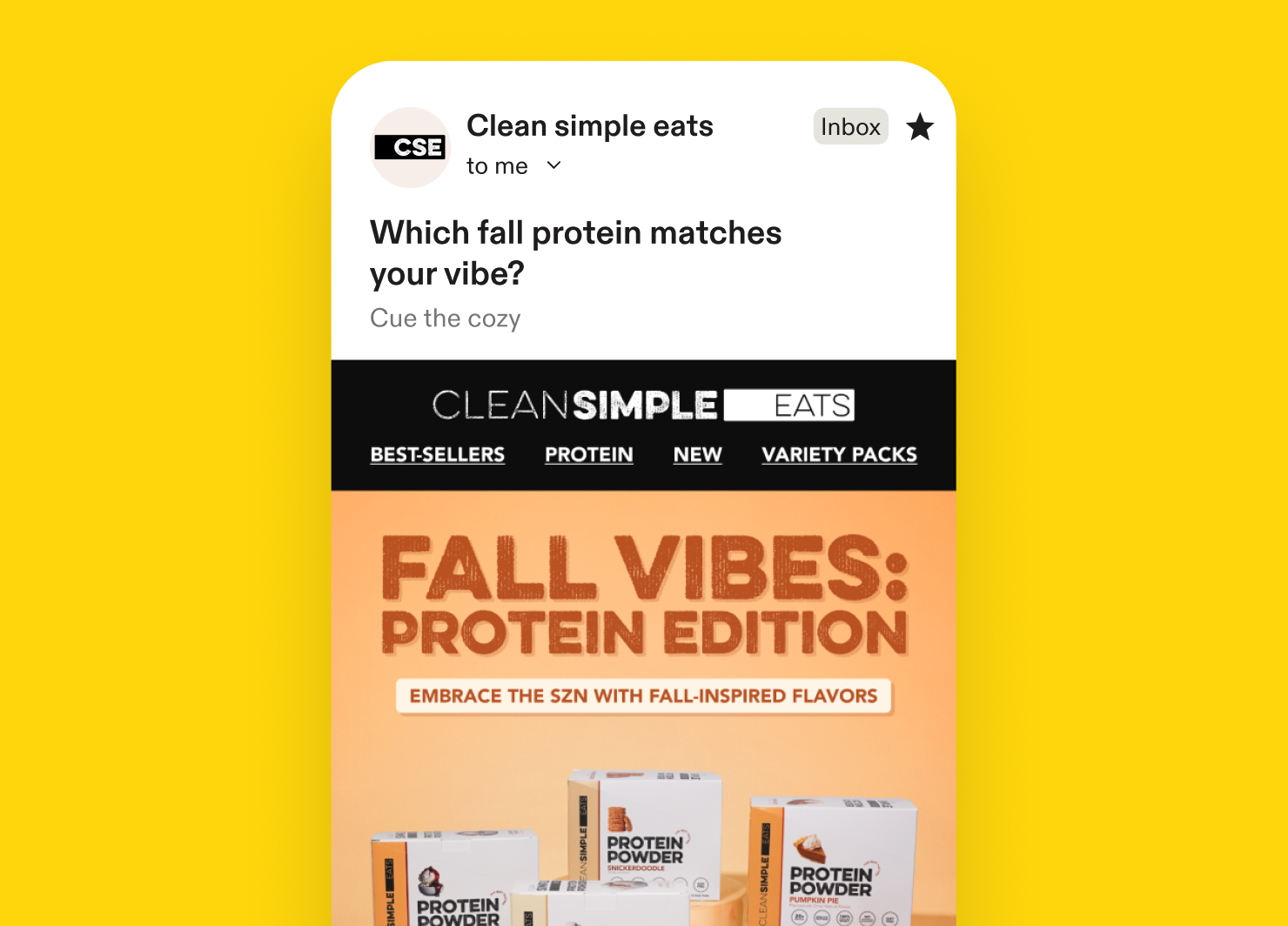
Instead of only announcing what is new, show customers how your products fit into their changing days.
Consider organizing campaigns around real customer moments:
- The first busy Monday morning
- The return to meal planning
- A refreshed work or study space
- The first cool evening
- The first football weekend
- A more consistent self-care routine
Messaging feels more relevant when it helps customers navigate the season they are actually experiencing.
[image-modal-trigger-1] [data-bg="#FFD60B"]
[image-modal-trigger-1]
[image-modal-source-1]

[image-modal-source-1]
2. Decide what Labor Day means for your brand
Labor Day is often treated as the final major sales weekend of summer.
For some brands, that makes it an important promotional event. For others, it works better as a seasonal transition, an opportunity to spotlight end-of-summer products, or the beginning of a fall story.
The right strategy depends on what your customers expect from you.
If Labor Day is a major revenue moment:
- Give engaged subscribers early access.
- Personalize offers by product interest or previous purchase behavior.
- Separate full-price shoppers from promotion-driven customers.
- Use browse and cart activity to make reminders more relevant.
- Plan final-hours messaging carefully rather than repeating the same offer.
If Labor Day is a smaller moment:
- Create a summer sendoff rather than a sitewide sale.
- Highlight products customers can use during the long weekend.
- Introduce transitional products alongside seasonal favorites.
- Share useful content, recipes, travel inspiration, or hosting ideas.
- Use the weekend to preview what is arriving next.
If promotions are not right for your brand:
- Lead with community, craftsmanship, or brand storytelling.
- Thank the employees, partners, or makers behind your products.
- Give loyal customers a first look at the season ahead.
- Use the quieter moment to invite customers to update their preferences.
Labor Day does not need to look the same for every brand. What matters is choosing a role for it intentionally.
3. Make the seasonal transition feel personal
A generic “fall is here” message may be timely, but it is not automatically relevant.
Customers experience seasonal change differently. Location, climate, purchase history, product preferences, and individual routines all shape what someone may need in September.
A customer in a cooler region may already be shopping for jackets and home heating essentials. Someone experiencing warmer weather may still be interested in summer products—but ready for new colors, routines, or occasions.
Use the information available to make your fall transition more specific.
Segment by interest
Show customers the categories, collections, or content they have demonstrated an interest in rather than presenting the entire seasonal assortment.
Personalize by behavior
Use recent browsing, purchasing, and engagement activity to determine which products or messages should lead.
Consider geography
Weather and regional differences can make seasonal messaging more useful and prevent it from feeling premature.
Adjust for lifecycle stage
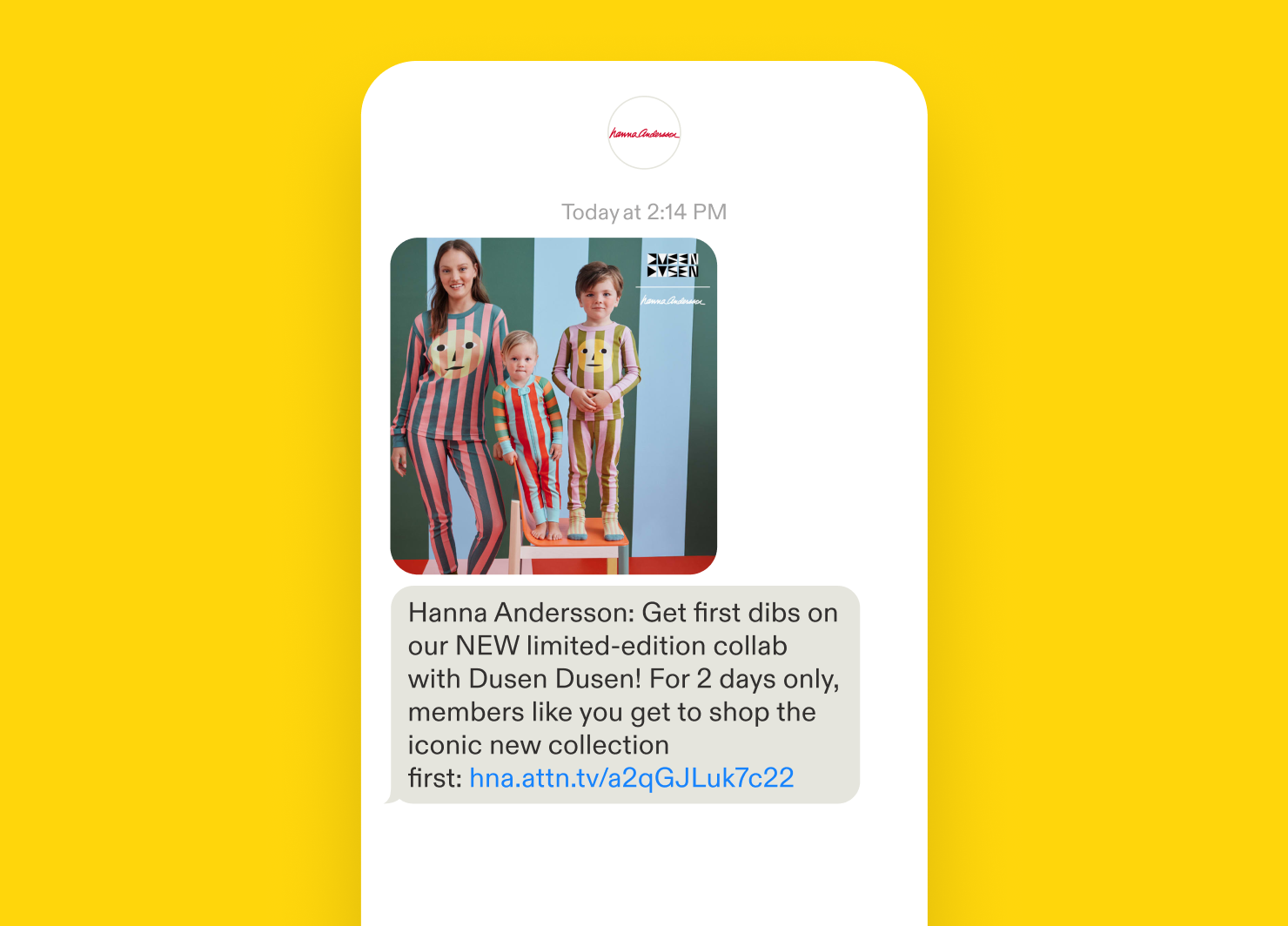
A new subscriber may need an introduction to your brand’s fall essentials. A loyal customer may be ready for early access, an exclusive product, or a personalized recommendation.
The goal is not simply to change the colors in your creative. It is to make the seasonal shift reflect each customer’s context.
[image-modal-trigger-2] [data-bg="#FFD60B"]
[image-modal-trigger-2]
[image-modal-source-2]

[image-modal-source-2]
4. Keep seasonal interest going beyond one campaign
September campaigns can capture attention, but thoughtful journeys can help sustain it.
When customers browse a fall collection or return to a familiar routine, the next message they receive should feel connected to that moment. September is a good time to make sure those actions lead to a useful next step—not another broad campaign.
Consider journeys related to:
September is also a useful time to review the journeys that will play a bigger role later in the year:
- Welcome series
- Browse abandonment
- Cart recovery
- Post-purchase
- Replenishment
- Loyalty and VIP journeys
- Win-back
- Back-in-stock and price-drop alerts
Ask whether each journey reflects your current creative, product priorities, promotional policies, and customer expectations.
Small improvements now can create a more cohesive experience when traffic and message volume increase.
5. Strengthen your audience before the holiday rush
Customers may not be ready for overt holiday messaging in September.
They may, however, be open to joining an early-access list, updating their preferences, or reconnecting with a brand they have not heard from recently. That makes September a valuable time to grow engagement—without rushing into gift guides and countdowns.
You might:
- Invite customers to join a holiday early-access list.
- Ask which product categories they want to hear about.
- Promote loyalty membership before major shopping periods.
- Encourage SMS signups with access to launches rather than only discounts.
- Begin re-engaging subscribers who have not interacted recently.
- Test the creative themes, offers, and value propositions you may use later.
Think of September as the month to earn attention before competing for purchases.
Building a more engaged audience now can help your holiday campaigns feel more relevant when the season arrives.
September marketing ideas to inspire your next campaign
September campaigns can serve several different purposes, from capturing Labor Day demand to helping customers settle into new routines.
The strongest calendars balance short-term commercial opportunities with messages that strengthen customer relationships over time.
Ideas by September customer moment
Not every campaign needs to revolve around a formal holiday.
Some of September’s most relatable opportunities come from the ordinary moments customers are experiencing throughout the month.
The routine reset
Help customers make mornings, weekdays, meals, workouts, or bedtime routines feel easier.
Subject line or headline ideas:
- Back to Your Rhythm
- Your Routine, Refreshed
- Make Weekdays Feel a Little Easier
- A Fresh Start Without Starting Over
The seasonal first
Celebrate the first cool morning, football game, fall recipe, layered outfit, or cozy evening.
Subject line or headline ideas:
- It’s Starting to Feel Like Fall
- The First Signs of the New Season
- Consider This Your Fall Preview
- Ready for the First Cozy Night?
The game-day gathering
Create campaigns around hosting, attending, watching, cooking, or dressing for football season without assuming every customer follows the same team or sport.
Subject line or headline ideas:
- Ready for Kickoff?
- Everything the Watch Party Needs
- Your Game-Day Lineup
- The Weekend Starts Here
The summer-to-fall bridge
Show customers how existing products can continue serving them as the season changes.
Subject line or headline ideas:
- Wear It Now. Layer It Later.
- Summer Favorites, Meet Fall
- Made for the In-Between
- The Pieces That Do Both
The early-access invitation
Encourage customers to join a priority audience without making the message feel like a premature holiday campaign.
Subject line or headline ideas:
- Want First Access to What’s Next?
- See What’s Coming Before Everyone Else
- A Head Start on the Season Ahead
- Be First in Line
What to test in September
September gives marketers room to test before message volume and promotional pressure increase.
Rather than changing several variables at once, choose tests that can inform decisions you will need to make later in the year.
Before launching a test, determine what decision the result will help you make.
A useful September test should give you a clearer answer to a question that matters in October, November, or December.
Final September marketing checklist
Before the month gets underway, ask:
- Have we decided what role Labor Day will play in our strategy?
- Does our messaging reflect customers’ changing routines?
- Are our fall campaigns personalized beyond seasonal imagery?
- Have we identified the audiences most likely to engage with seasonal launches?
- Are our welcome, browse, cart, and post-purchase journeys ready for increased activity?
- Have we created a clear reason for customers to join or re-engage before the holiday rush?
- Have we chosen tests that will inform our fourth-quarter strategy?
- Are we balancing immediate promotions with longer-term relationship building?
- Have our October and holiday plans moved from ideas into execution?
You do not need to begin holiday promotions in September.
But September is a valuable time to make sure your customer experience, audience strategy, and campaign plans are ready to support the months ahead.
Final thoughts
September is when the year begins to pick up speed.
For many customers, routines are returning and seasonal needs are beginning to shift. That creates new opportunities for brands to earn attention through useful, timely messaging.
The best response is not simply to send more. It is to become more relevant.
Help customers navigate what is changing now. Give Labor Day a clear role in your strategy. Make the transition into fall feel personal. Strengthen the journeys and audiences that will support the months ahead.
September may be a transitional month, but it should not feel like a placeholder.
It is a chance to create momentum—one useful, timely, and increasingly personalized interaction at a time.

.png)