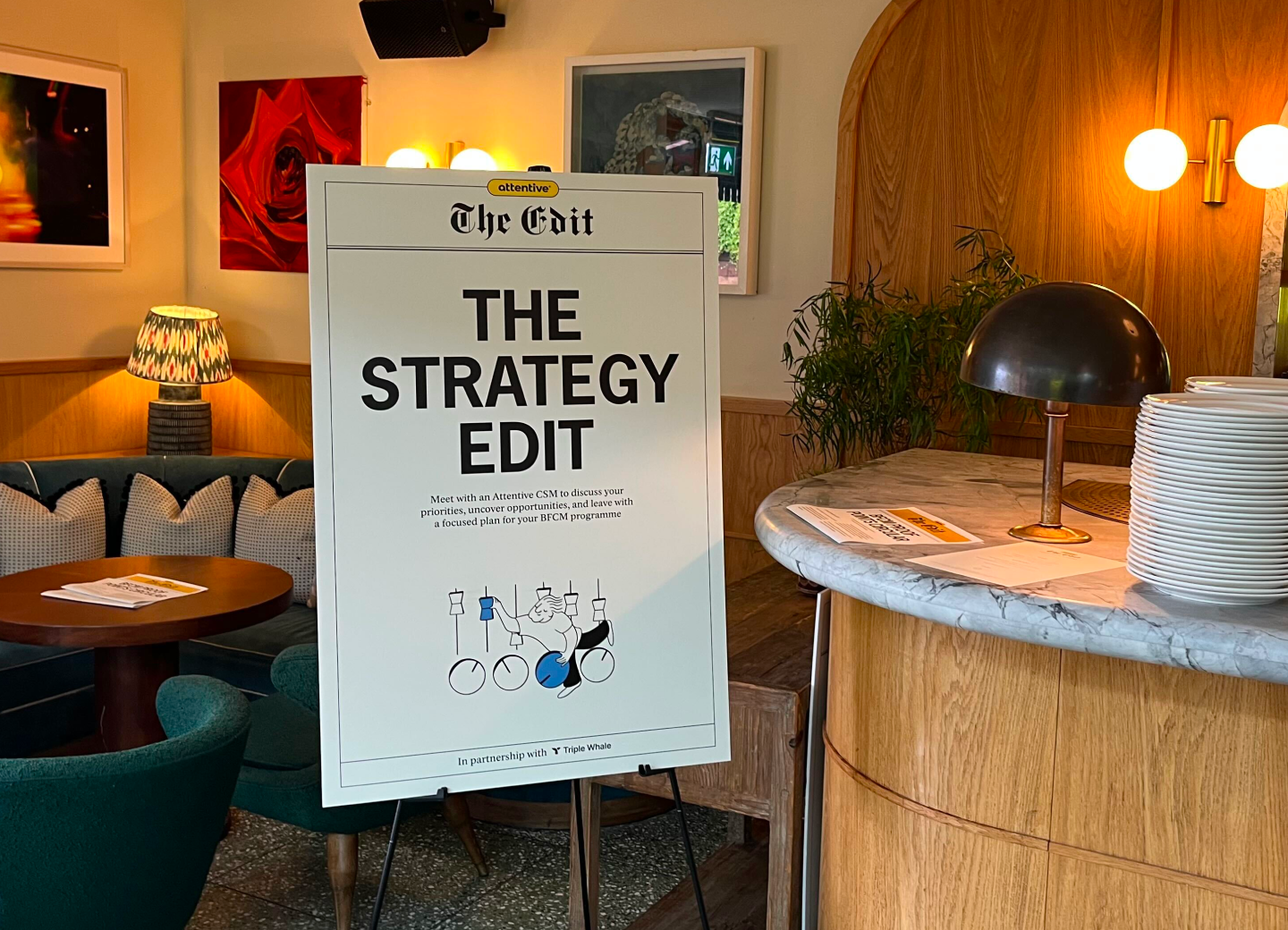

Marketing leaders from Rodial, Emma Sleep, Color Wow, and more share the strategies they're using to drive growth and create more connected customer experiences.
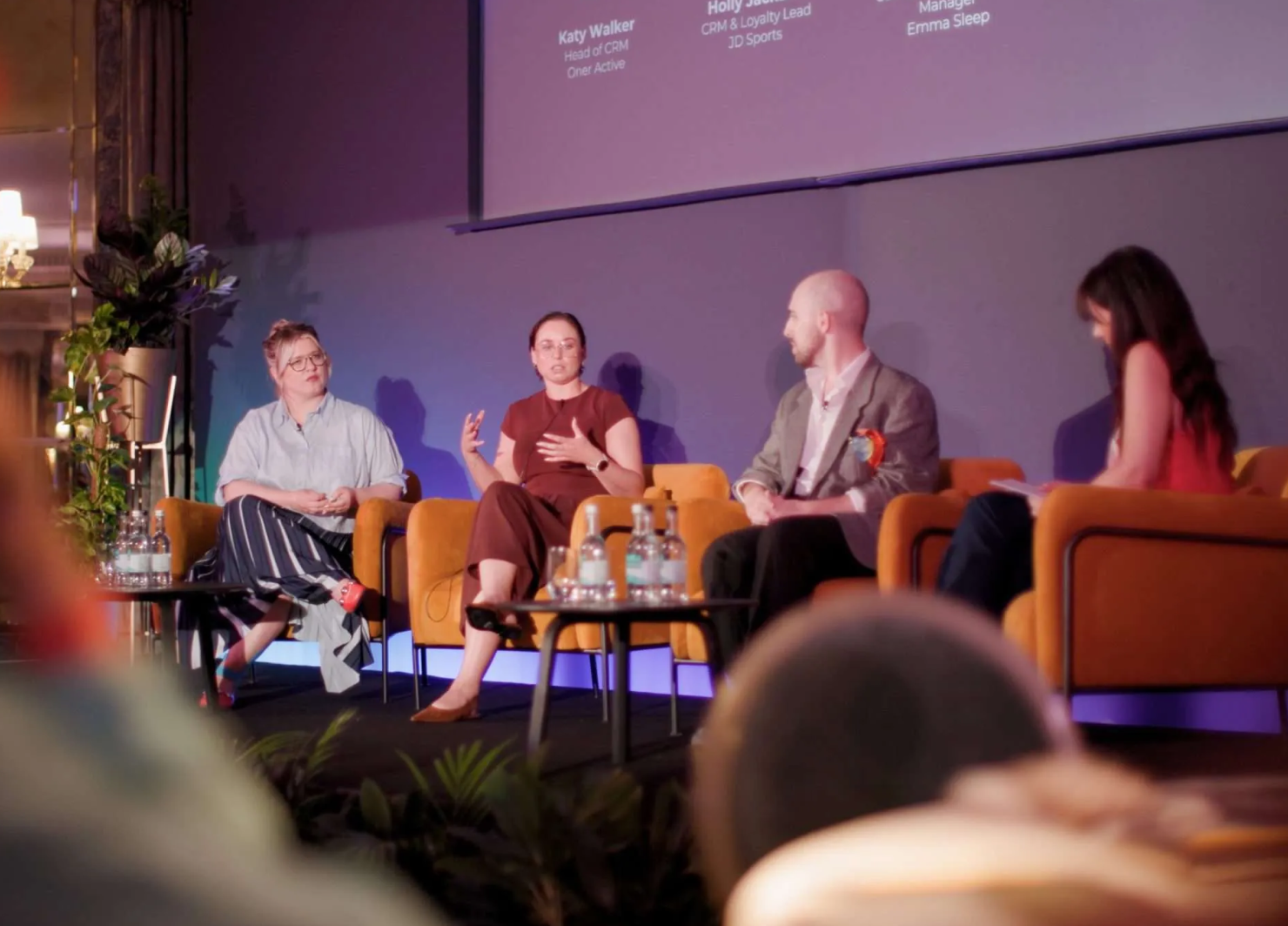
There aren't many marketing events where you can discuss AI-powered personalization, have your fortune read from tea leaves, and listen to a string quartet in the same afternoon. But that was Thread London.
Hosted at The Dorchester with a Bridgerton-inspired theme, the event brought together marketers from some of the UK's leading brands to discuss what's actually driving growth in 2026. While the conversations covered everything from loyalty and retention to omnichannel marketing and AI, the same themes kept coming up.
Here are seven lessons that stuck with us long after the event ended.
1. Take bigger risks than you're comfortable with
For Maria Hatzistefanis, founder of Rodial, one of the most important decisions in the brand's history was naming their flagship product Snake Serum.
The product contained SYN®-AKE peptides, an ingredient inspired by the effects of temple viper venom. Rather than hiding behind scientific language, Rodial turned the ingredient story into the product itself. The name was bold, instantly memorable, and generated significant press attention at a time when most beauty brands were playing it safe. In Maria’s own words, if she hadn't taken that risk, she wouldn't be where she is today.
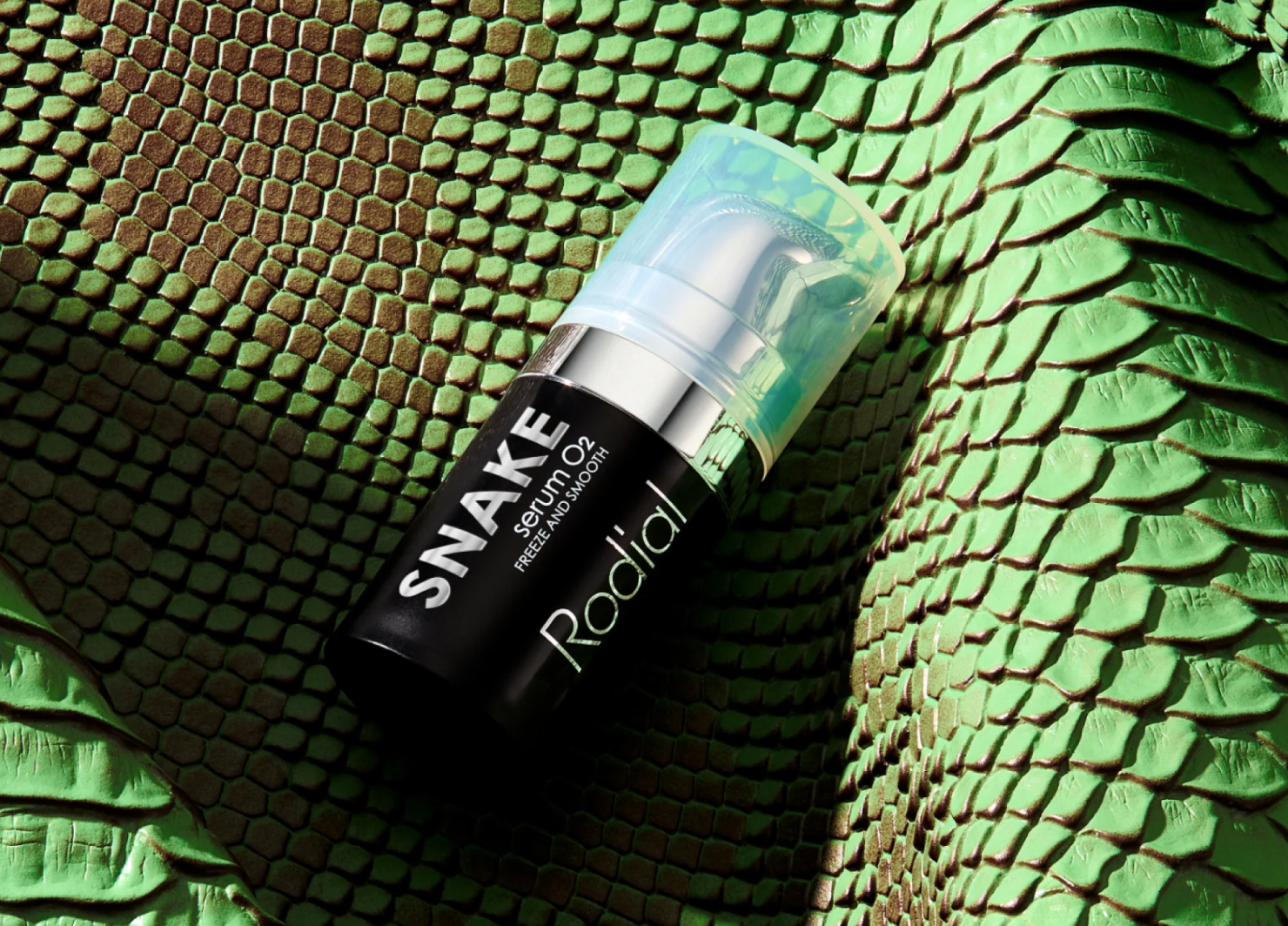
That willingness to take calculated risks became a recurring theme throughout Rodial's growth. From eyebrow-raising product names like “Dragon's Blood” to investing in influencer partnerships before influencer marketing became mainstream, the brand consistently backed ideas that felt different from what everyone else was doing.
And the results speak for themselves. Rodial Group recently reported revenue growth of 31% year over year, reaching £35.3 million.
It’s important to flag, however, that the lesson here isn’t to take risks for the sake of it. It’s to recognize that memorable brands rarely grow by blending in. Maria's final piece of advice was simple: when you're considering a bold decision, ask yourself what's the worst thing that could happen—and whether you can live with the consequences.
Try this: Review your next campaign, launch, or product announcement. Does it feel distinctive enough to earn attention, or could it belong to any brand in your category?
2. Stop adding tools and start connecting them
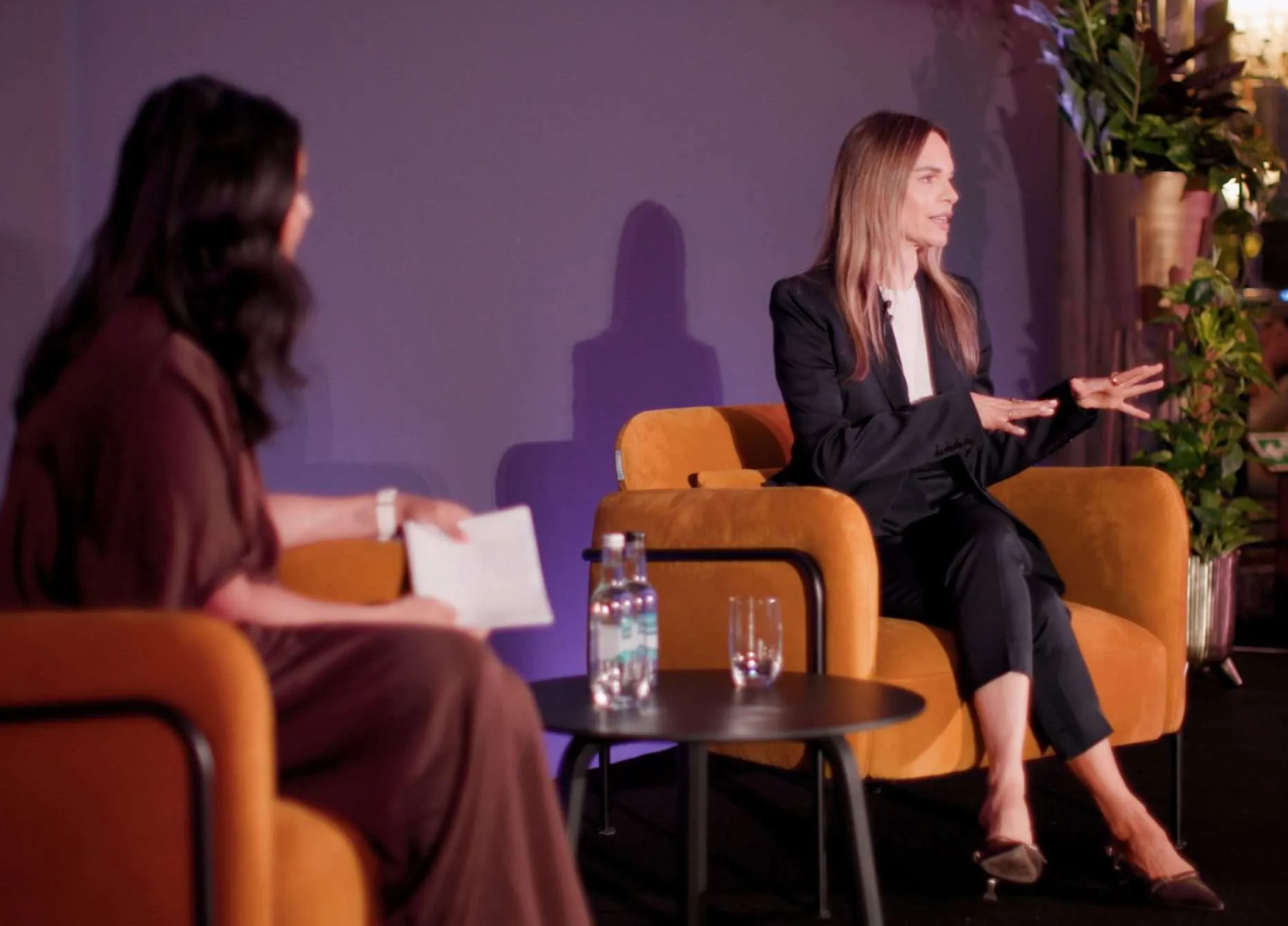
A recurring theme throughout the “Simplifying the Growth Stack” panel was that disconnected tools lead to disconnected customer experiences.
One example that came up was channel preference. If email and SMS are managed separately, it's easy to assume a customer isn't engaged because they're ignoring your emails. In reality, they might be opening every text message you send. Without visibility across both channels, you're only seeing part of the picture.
The same applies to reporting, segmentation, and personalization. When customer data is fragmented across multiple systems, it becomes harder to understand what customers actually want and how they prefer to engage.
That's why several panelists made the point that consolidation is becoming a competitive advantage. Bringing SMS and email into a single platform creates a more complete view of the customer, making it easier to deliver relevant experiences and spend less time stitching together insights manually.
Try this: Pick one customer and follow their journey across every channel you use. How many different platforms would you need to log into to understand the full story?
3. Omnichannel isn't the same thing as multichannel
This was another core theme that came up throughout the day, and it builds on point No. 2.
Having multiple channels doesn't make a brand omnichannel; it simply means you're showing up in more places.
Several speakers made the distinction clear: multichannel means your brand can reach customers across different channels. Omnichannel means those channels speak to each other, with each interaction informing the next.
For example, a customer might discover a product on social media, research it on your website, and purchase after receiving a text message. If those moments don't connect, customers end up having the same conversation with your brand over and over again. They move from channel to channel, but your marketing never picks up where the last interaction left off.
Cat Farthing from Color Wow echoed this idea when talking about channel strategy, as she pointed out that channels shouldn't be competing with each other in the first place. For her team, email is used to educate, tell stories, and showcase the brand's content, while SMS is reserved for more immediate, high-impact moments. The goal isn't to send the same message everywhere (which is what often happens when channels aren’t talking to each other)—it's to use each channel for what it does best.
Try this: Map one customer journey and identify where information gets lost between channels or touchpoints.
4. Build segments around what people are trying to do
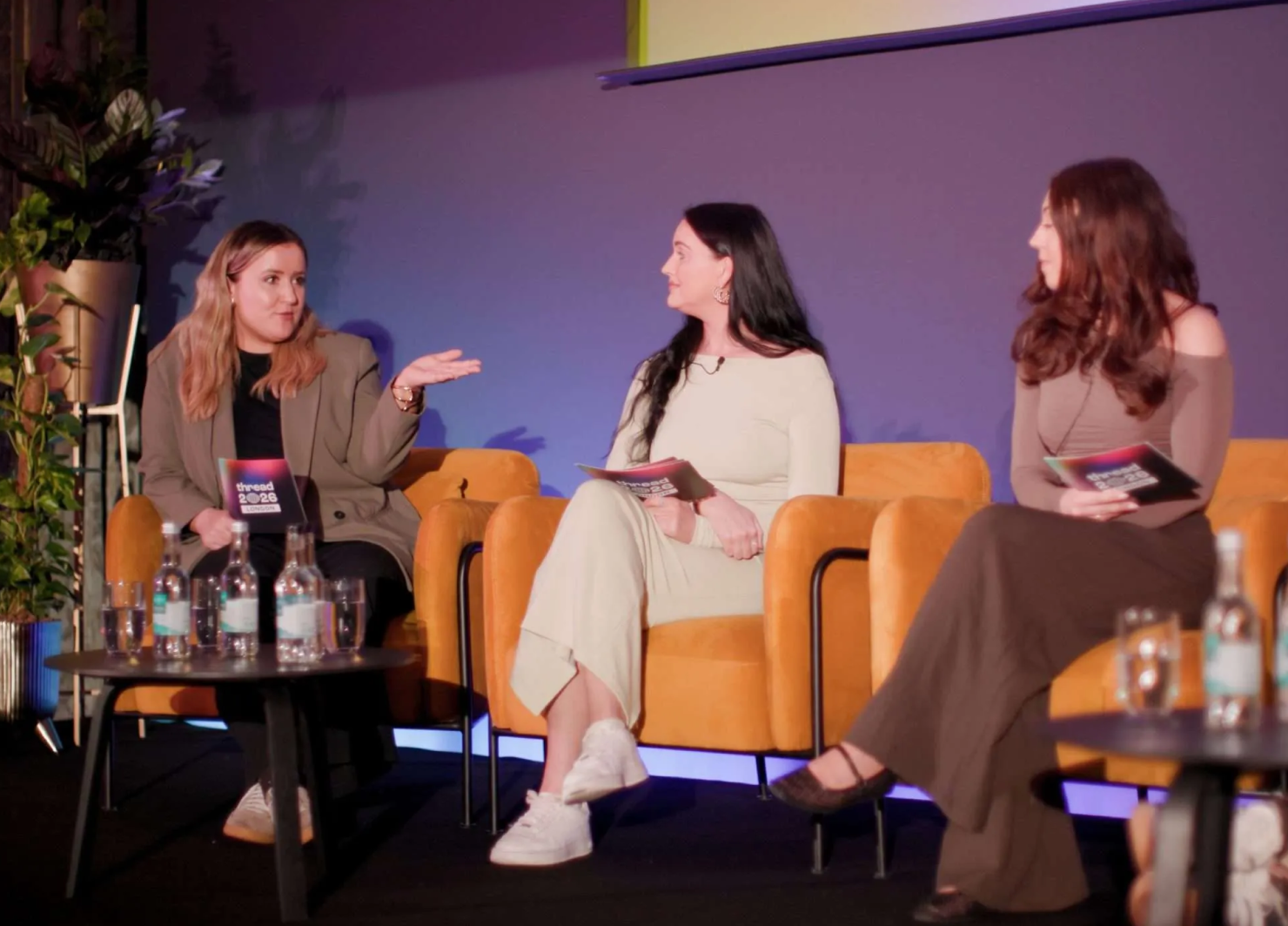
Another major theme during Thread: Drawing a line between customer background and behavior.
It's easy to group people together based on traditional demographics like age, location, or income, but those descriptors don’t tell the full story. Take two women shopping for activewear. They might be the same age and live in the same city, but one is training for her first marathon while the other is looking for something comfortable to wear to Pilates. Suddenly, they're not the same customer at all. They're probably looking for different products at different price points, and they'll be interested in very different advice, recommendations, and training tips along the way.
That's why so many brands at Thread talked about focusing on customer behavior rather than pigeon-holing them based on attributes. What are people browsing? What have they bought before? What are they trying to achieve?
Those answers are much more useful than anything you'd find in a demographic profile.
Try this: Look at your highest-performing segment and ask yourself: what problem are these customers trying to solve?
5. Stay useful between purchases
Not every brand sells something people buy every week, which is why it's important to build touchpoints with customers that aren't just about selling.
This was one of the more urgent discussions from the “Scaling your Brand” panel. Several brands spoke about the challenge of staying relevant when customers might not need to buy from them again for months—or even years.
Miguel Almeida at Emma Sleep shared how they use sleep education to stay connected with customers after a mattress purchase, whether that's expert advice, better sleep habits, or content that helps people get more from their purchase.
GO Outdoors takes a similar approach. As Holly Jackson explained, if someone buys a tent, the next message doesn't have to be another sales pitch (no pun intended). It could be tent pitch-up tips, campsite recommendations, maintenance advice a year later, or suggestions for products that genuinely improve their next trip, like quality sleeping bags or an outdoor cooking set.
The goal isn't to force another purchase straight away. It's to keep being useful. Because when customers do eventually need something, they're far more likely to return to the brand that remains engaged with them long after checkout.
Try this: Pick one product people don't buy often and build a post-purchase touchpoint that helps them get more value from it
6. Don't do a loyalty program for the sake of it
What is your loyalty program actually trying to achieve? If the answer is “make more money,” you're probably going to build the wrong thing.
Several speakers kept coming back to this: most loyalty programs are built backwards. Brands jump straight to points, tiers, and discount mechanics before they've stopped to ask what customers actually want from the relationship. And so you end up with something people sign up for, forget about, and resent when the emails start stacking up.
Instead, brands should focus on keeping customers engaged. Give people a genuine reason to stay connected to your brand, even when they're not buying anything. Make them feel like the relationship has real value. That's what keeps someone around long enough to actually become a returning and loyal customer, rather than just a one-time purchase with an account attached to it.
Niall Young O'Brien summed it up perfectly: don't focus on chasing revenue. Focus on engaging customers, and the revenue will naturally follow.
Try this: If you removed the points tomorrow, what reason would customers have to stay engaged with your brand?
7. Don't try to outsmart your customers this BFCM
As Black Friday planning ramps up, one piece of advice stood out from the day: stop trying to be clever.
When the conversation turned to BFCM, as it so often does at this time of year, Niall Young O'Brien made a strong case for putting your best offer out on Day 1—and sticking to it.
The reasoning was simple. If a customer buys on Friday and then sees a better deal on Sunday, they're going to feel a bit cheated. But if shoppers think a better offer might be coming, they'll wait it out. Either way, you've planted a seed of doubt.
The point isn’t that discounts are bad. It’s that the way you discount says something about your brand. Customers can tell the difference between a genuinely good offer and a brand trying to squeeze one more purchase out of them before dropping the price again.
Try this: Before finalizing your BFCM plan, look at it from a customer's perspective. If someone buys on day one, will they still feel good about that decision on day five?
Final thoughts: Maybe we're all overthinking it
Thread London covered everything from AI and omnichannel marketing to loyalty and Black Friday. But by the end of the day, most of the lessons felt refreshingly human.
Take smart risks. Understand what your customers are trying to do. Stay useful after the purchase. Don't make people jump through hoops to get a good deal. Simple? Yes. Easy to do consistently? Not always.
But that's what made the conversations so reassuring. The brands seeing the strongest results weren't talking about “hacks”. They were talking about their customers.
Want to hear more from Color Wow?
One of the standout speakers at Thread London was Cat Farthing, Senior Brand Manager at Color Wow, who shared how the brand approaches messaging, customer engagement, and creating campaigns that genuinely resonate.
If you'd like to go deeper, join Cat and Attentive on July 1 for The Messaging Masterclass: Color Wow's Formula for Instant Impact.
In just 30 minutes, you'll learn:
- How Color Wow crafts content that gets opened, read, and acted on
- How they create a consistent story across channels
- Behind-the-scenes insights from Cat's CRM journey and the campaigns that have shaped her approach to customer engagement
.png)