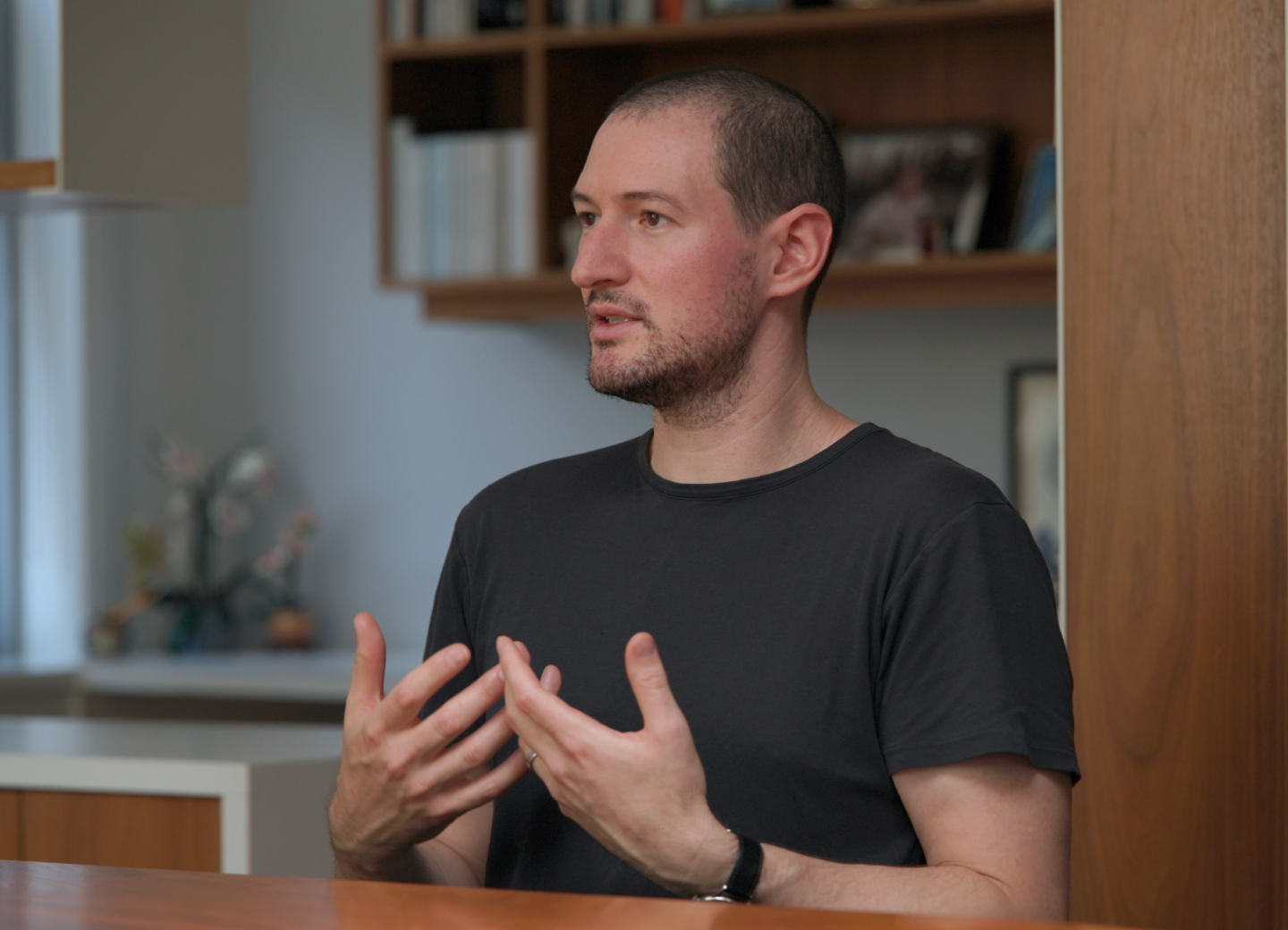

Attentive’s CEO hosts a roundtable exploring how AI can take on the busywork of marketing, giving marketers more time to think, create, and connect.
Marketing has always been about reaching the right person with the right message at the right time. And for the last 10 years, Attentive has pursued a vision of creating 1:1 relationships between customers and the brands they love.
What’s changing now is how quickly brands can understand what people need, and then act on it.
We brought Attentive leaders and marketers together to talk about what this shift really means for the people doing the work every day.
What’s different about marketing now?
The technology has been capable of making faster decisions for years. What’s changed is that marketers are ready to use it. And we’d do well to remember, customers expect—now more than ever before—more relevant experiences.
The goal isn’t personalization for its own sake. It’s knowing when a message is useful, what it should say, and when it’s better to leave someone alone.
How can brands use AI without losing control?
Trust starts with control and transparency.
Marketers still need to set the boundaries—what their brand sounds like, who should receive a message, how often they should hear from a brand, and what is off limits are all pieces that need to be handled manually. People still set the guardrails, while AI can create and coordinate messages based on customer behavior and show marketers what it did, why it made those choices, how it performed, and where to improve.
Testing matters, too. Brands need to see not only whether something performed better, but why.
What changes for marketers?
The human role doesn’t disappear. It becomes more important.
Probably the biggest question marketers are asking. A lot of marketing work today is spent building the machinery behind a campaign: moving data, setting up rules, creating segments, and managing endless branches in a journey.
Agents can take on more of that execution, giving marketers more time to focus on the work that requires judgment: shaping the brand, understanding customers, finding new ideas, and making better decisions.
What comes next?
The next chapter of marketing is more dynamic. Instead of relying only on rules built in advance, brands can respond to what customers are doing now, and learn from every interaction.
That means marketing can become more useful, more relevant, and more personal without becoming less human.
{{lemon-one}}